Author Archives: Self Similar

Muh site!

The Weird State of MMORPGs

This weekend we got the news that Ashes of Creation is more or less dead, with the resignation of its creative director and CEO, Steven Sharif, along with some of the senior development team, with the rest seemingly to be laid off. From Steven’s outspoken social media presence, his personal funding of the game, some of its design, and an early Kickstarter campaign, there has always been a lot of drama around AoC, and I’ve not been involved in it or even following it all that closely myself so I won’t run through the details. Regardless, it’s pretty much always been divisive as hell to the greater MMORPG community, with people either pinning all of their hopes on it being the savior of the entire genre, or quite the opposite, being skeptical to the point of insisting that the game is a total scam. The latter attitude seems to have become increasingly prevalent over the years, which sadly means a lot of people in YouTube comments and Reddit threads are celebrating this news. Ugh…
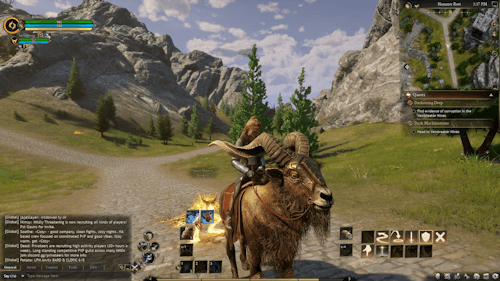
Ashes of Creation Early Access
“Ashes of Creation Early Access”

Personally, my main reason for being skeptical about AoC was actually because of how I found out and got to know more about – social media influencers in the MMORPG space making absolutely glowing video after video about it and usually not giving more than a mention of concerns about its long development time or niche features. Even when it comes to content creators I really like, my bullshit detector, while maybe not blaring out alarms, was definitely issuing warnings. Personally, I still don’t think it was necessarily a scam – everything we’ve been told about the game’s development could be totally true, and its recent troubles could simply be the result of them running out of funding, and that would still suck. Certainly, the odd move to list the game on Steam despite its state could suggest that, though others will see that as a final attempt to wring a little more money out of the game’s fans before pulling the rug out.

Regardless, I didn’t think it would be any kind of savior for the genre myself; even if it was amazing, its PVP focus all but guaranteed it would be a niche game, at least in the West, though I admit I was hoping I’d be wrong and I’ve intrigued by Intrepid’s attempts to design around that concern.

A few months ago Amazon Games announced that New World would cease all new development and be delisted. They followed this up in January with news that the servers would be taken offline in January 2027. This is a bizarre step – MMOs bleeding players to the point of being considered a failure is far from anything new, but usually they’re kept around for as long as possible to try to adapt to smaller player numbers and recoup what costs they could, usually getting put on some kind of life-support status and/or being sold off to another company who could attempt to keep it going in a profitable way. Just… closed down though? Weird!
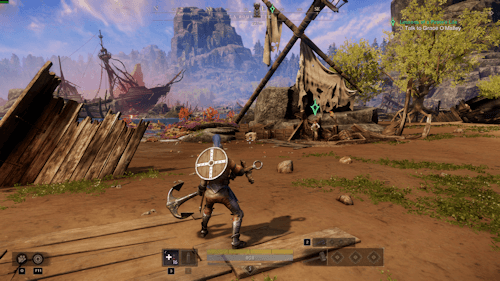
On the beach in New World: Aeternum
“On the beach in New World: Aeternum”

What’s even more weird is that this announcement came just 2 measly weeks after the release of a massive new patch which added a whole new zone and storyline and included numerous additions, adjustments, and fixes. By most accounts, these changes were quite positive, and for the first time in years, it seemed like there was a good buzz around New World again. At the end of the day we probably don’t need to speculate about how this happened – Amazon has been making all kinds of layoffs and closures in recent years, and we can safely assume closing down New World was just another decision that made perfect financial sense in the cold, detached sort of way that only the biggest corporations can bring us. Whether it was made before the release of this new patch, or upon watching the player numbers immediately after, is unclear.

Not unlike the controversy around Ashes of Creation, New World has been plagued with issues since the beginning: a major design pivot away from a more PVP focused approach during development, massive bugs, many of which were rampantly exploited by players, a lackluster endgame, and bizarre handling of a lot of these things from AGS themselves, to be very terse. Yet, playing it at launch myself, I think I’d speak for a lot of people by saying that there was definitely something there with New World. While it wasn’t always fast, and yes, as mentioned, sometimes totally mishandled, these things were all addressed, and patches trickled out, including new weapons (which functioned something like mini-classes) zone reworks, system overhauls, the addition of mounts, a huge campaign overhaul, and even a rebranding and console launch, yet while many of these changes brought players back, nothing really seemed to keep them playing for too long.

As with Ashes of Creation, a lot of players made the game a target for extreme ridicule. I’m sure some were skeptical of Amazon entering this space, some felt burnt by how its PVP systems and/or its endgame turned out, and others, like me, were probably extra bitter about how close the game came to being great, yet absolutely wasn’t. Look at the countless negative Stream reviews the game has, and look at some of the played hours counts you see attached to those – hundreds or even thousands of hours is a lot of time to sink into a “terrible” game. Like I said, the game had something special – a unique setting, some interesting gameplay systems, great graphics and sound – alas, unless someone else manages to buy it off of AGS, that something will become nothing in about a year.
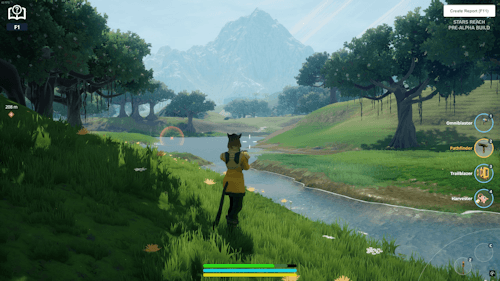
Stars Reach Pre-alpha
“Stars Reach Pre-alpha”

These are just the two latest examples of the terrible state of the MMORPG genre. We don’t see many new, big budget MMORPGs on the horizon, and coupled with stories like these, it makes you wonder if we’ll ever see another high budget, successful game, let alone a huge hit like World of Warcraft. As someone who has been playing these games since near the start, this definitely makes me a little sad, even if I can’t deny that few of these games turn out to be all that good, and even the good ones are often lacking. Still, the promise of MMO gaming is still there for me, that hasn’t changed, it’s only been tempered by harsh reality. On one hand, I still have hopes that Guild Wars 3 or maybe Riot’s MMORPG will be something worth getting excited about. On the other, while I considered backing the Kickstarter for Stars Reach – the premise of the game is intriguing and Raph Koster is saying all the right things in all the right ways – I just couldn’t bring myself to do it.

These developments, coupled with my last article, coincidentally just posted yesterday, in which I gloss over my time with the last 2 WoW expansions, have inspired me to dust off and finish some older articles. First, a series where I reflect on my entire history with MMOs, followed up by a series of articles to catch the blog up on the MMOs I’ve tried more recently but haven’t really written much about, including the aforementioned New World, which I’ve just started revisiting. Stay tuned…

Ashes of Creation screenshot stolen from Lethess on Steam. Stars Reach screenshot stolen from @Julia_CaSsian on Twitter.
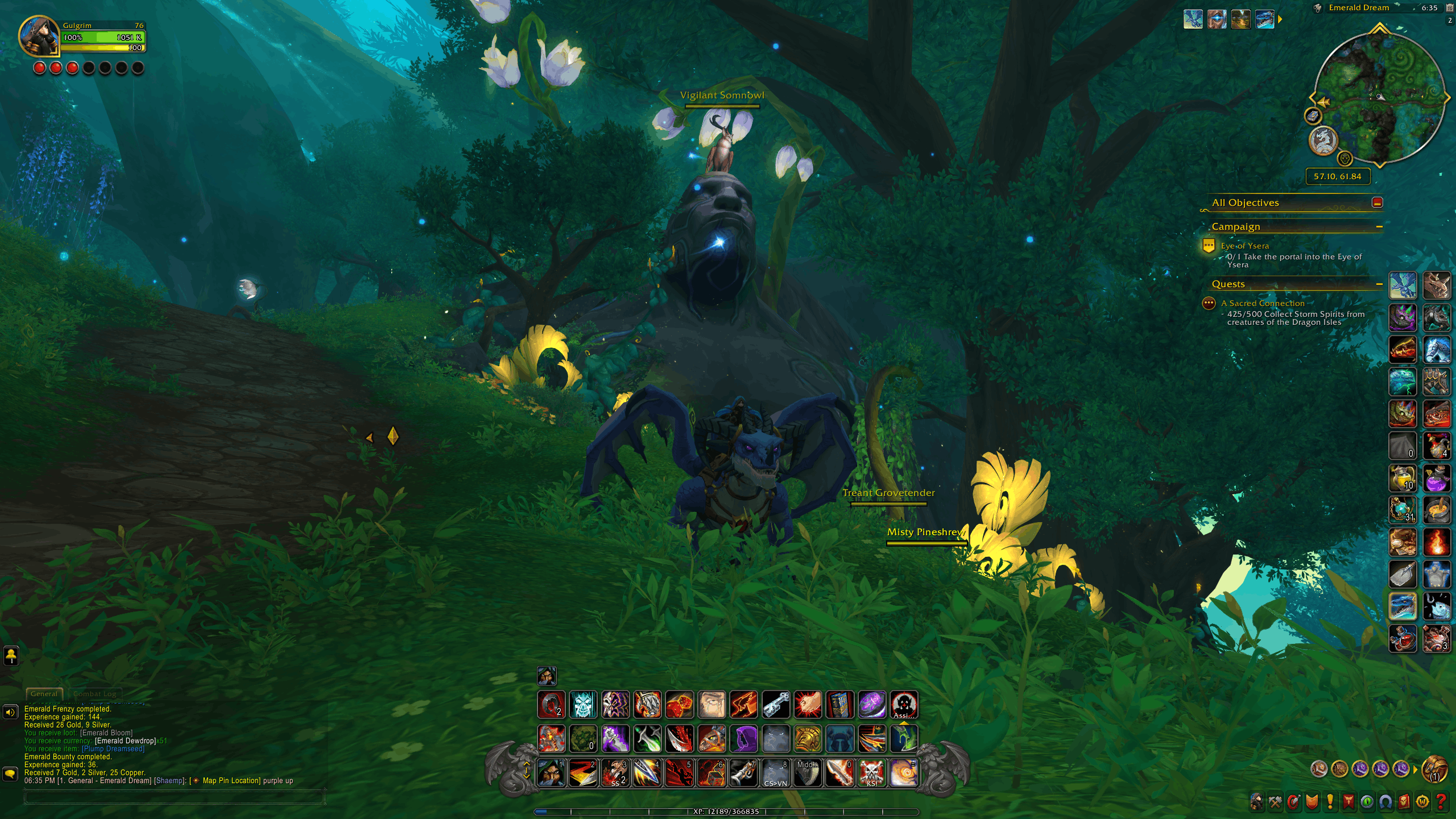
Flying Around, Underground

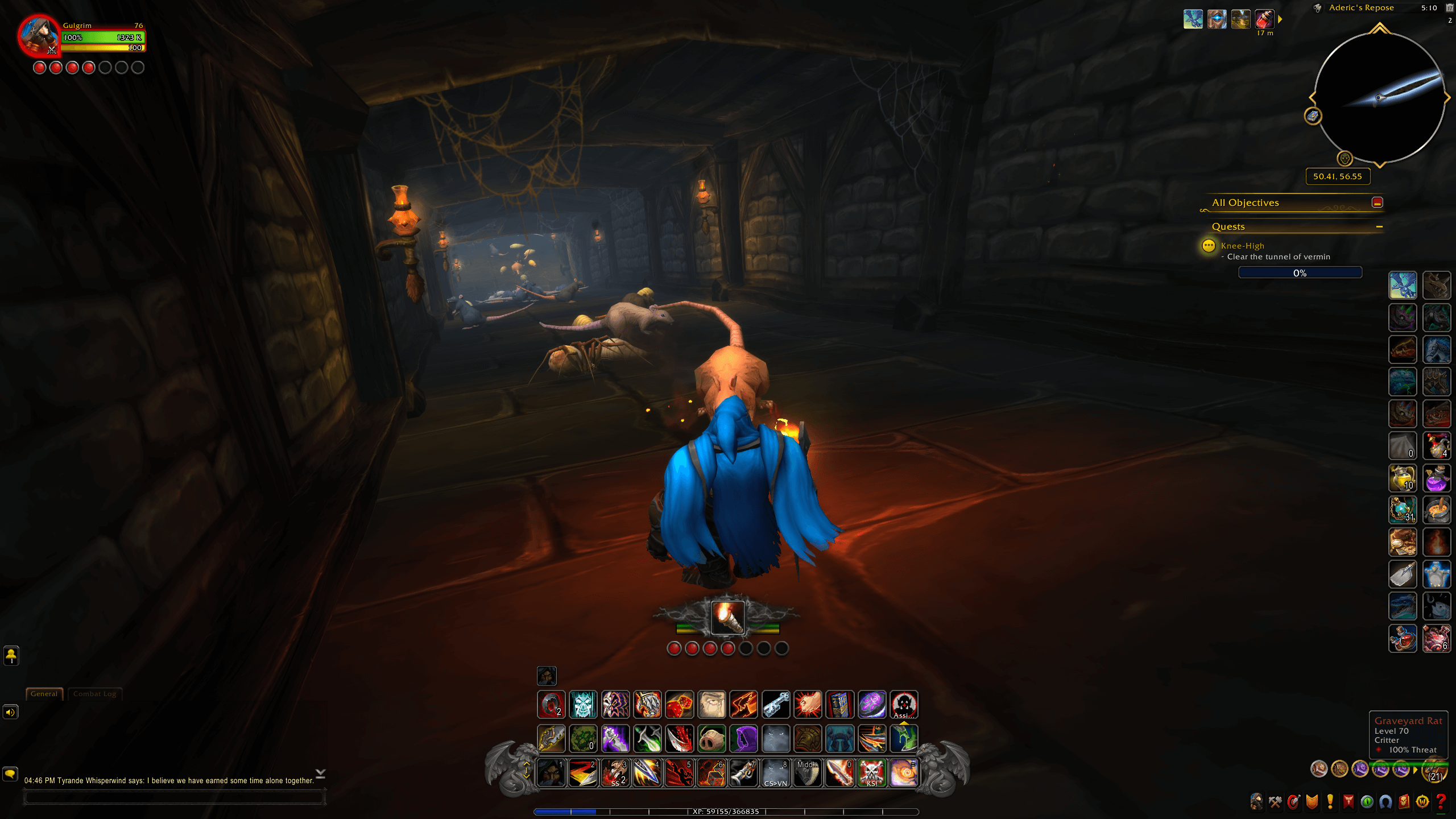
It’s been a while since I’ve talked about World of Warcraft, or any MMORPG for that matter. While I skipped Shadowlands entirely (I’m sure I’ll play through it some day) I jumped into Dragonflight not too long after its launch and started gradually chiseling away at its campaign. It was rarely a priority, and the amount of time I spent on it waxed and waned without much of a discernible pattern, often with massive gaps of no activity at all, as has been the way I’ve casually played World of Warcraft for many years now, with the major exception of the launch of World of Warcraft Classic, of course!

Vibin' in the Emerald Dream.
“Vibin’ in the Emerald Dream.”

You know, I don’t think I ever wrote about how that ended. To keep it short and sweet, in an amazing recreation of how a lot of WoW guilds probably ended back in 2004, and indeed have ended in many games before and since, my dozen or so guild mates (all coworkers!) found ourselves with differing levels of interest, different gaming schedules, and different playstyles, and as soon as we entered into the mid-late stage of leveling, when things really started to slow down, that lack of cohesion started to matter more and more, and we began to splinter. At first one or two people made the call to leave, and then our numbers continued to bleed. I think I quit not long after writing my one post about WoW Classic. I might have made it into my 50s, I don’t recall, but I hit one of the very same leveling walls I remember hitting back in the day, yet this time I simply decided I’d had my fill and that the experiment was over. No regrets, it was a fun little trip back in time!

Back to Dragonflight though!

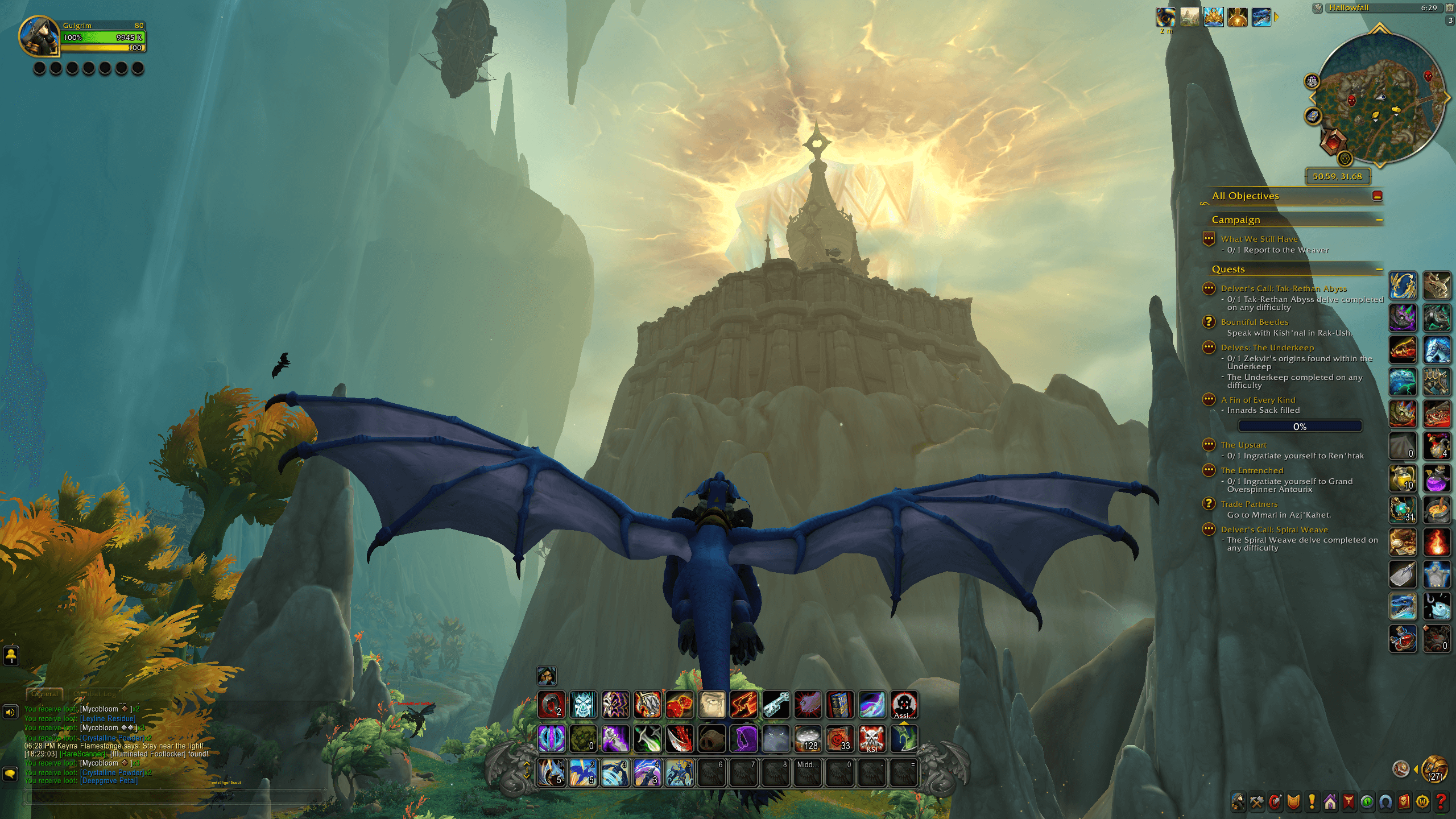
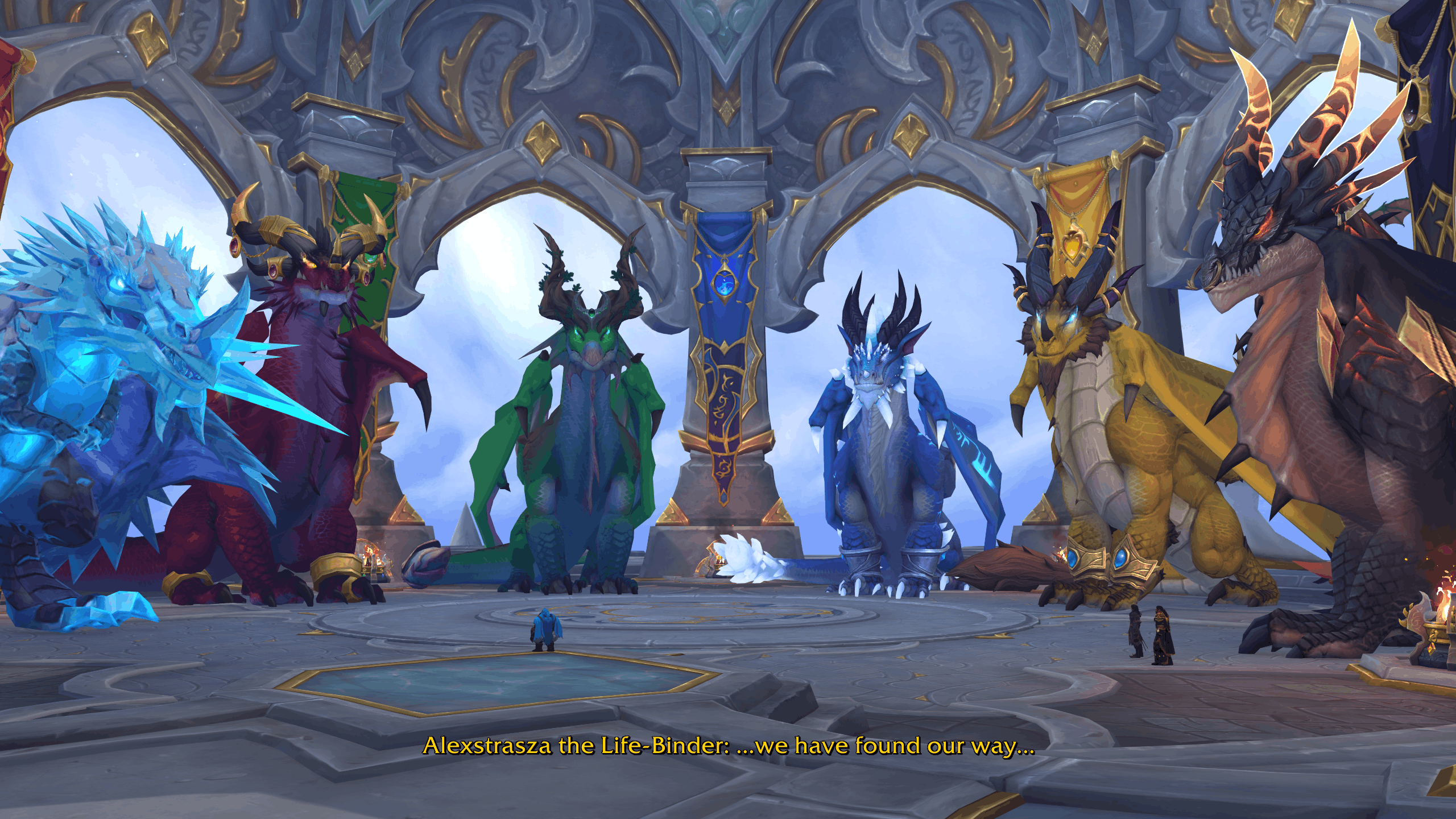
This expansion’s big new feature, Dragonriding/Skyriding, kind of sucked at first, but as I got used to it, and of course as I leveled it up, it started to feel superior to the old way of flying. Challenging at times, yes, but also much funner when it all worked correctly. This is especially true now that Blizzard allows it anywhere, with any flying mount, and more recently, has removed the need to manage your vigor – this has dumbed it down a bit, for sure, but also makes it a lot less of a hassle, and therefore more appealing for casual travel. Dragon racing challenges are fun, even if they did kind of feel like extraneous, bolted-on content. I also loved all of the customizable mounts you unlock throughout the campaign, though I wish so many of their customization pieces weren’t locked behind reputation grinds and other endgame busywork. Such is life in Azeroth, though.

Thar be dragons! and boy, do they have a lot of quests for you to do.
“Thar be dragons! and boy, do they have a lot of quests for you to do.”

Dragonflight also added the new Dracthyr race and its exclusive class, the Evoker. Of course, I had to play through their new introductory questline just to check them out. While I don’t think the Dracthyr are quite my style, the Evoker is pretty fun, and I’m sure some will love both. I’d recommend anyone playing “retail” WoW to at least try them out, if you somehow haven’t already.

The Dragon Isles and their new zones were really quite enjoyable. In many ways the variety of biomes, enemies, and storylines reminded me of my first playthrough of Wraith of the Lich King’s Northrend zones, although with a ton of added verticality to support Dragonriding shenanigans, of course. Part of that might be due to the return of some old favorites, the Tuskarr and the Centaurs, having major parts to play. In some ways it felt like a return to form to me, especially once you make it to the Ohn’ahran Plains and The Azure Span.

At some point I stopped to catch-up with all of the dungeon related quests I’d skipped while leveling, which happened to coincide with the addition of the new Follower Dungeons feature. This basically lets you bring a full party of NPC bots into dungeons, so now even the most asocial WoW player can at least play through the more story-relevant dungeons and complete dungeon related quests. I gave this a spin and I was delighted with how well it worked. Unfortunately, I later found out the hard way that because I’d reached max level, this feature was no longer available to me. I guess I’ll have to finish those quests when I can easily solo those dungeons or *gulp* join a PUG. That felt bizarrely punitive, though I believe this has since been changed, thankfully. Another new feature to help out us lowly casuals is “Warbands” which is just a catchy way of saying that there is a lot more in terms of items and progress (reputation, various unlocks) shared account-wide rather than per character, similar to Star Wars: The Old Republic’s Legacy system. About time!

This random return to Dalaran's sewers was certainly unexpected.
“This random return to Dalaran’s sewers was certainly unexpected.”

Once I finally beat the main story quest (I lost a lot of steam when I finally reached the final zone, Thaldraszus, plus Plunderstorm is always a major distraction when it comes up) it was onto the areas added via seasonal patches. The Forbidden Reach wasn’t that exciting, but it had some cool quests and was kind of a fun diversion. The Zskera Vaults was a cool idea, but playing it so long after their release, the excitement to keep pushing through them just wasn’t there. Zaralek Cavern was also kind of neat, giving me major Planetside: Core Combat vibes. It wasn’t until Bel’ameth and the new Emerald Dream zone that I really connected to one of these new areas. Overall, a little boring, but part of that is on me as this seasonal content, even the meatier stuff, is design to keep players occupied during the current season, and don’t quite hit the same once their time has passed.

By the time I wrapped all of that up, The War Within had been out for a little while, so I continued right onto that expansion’s main story quest. TWW feels like much more of an iteration on what was done in Dragonflight than we typically see with WoW expansions, which I definitely prefer to throwing away most of the prior expansion’s systems and pretending like it never happened. Dragonriding is still here, as are its racing challenges. The crafting system is still more or less the same (unfortunately – I’m not a huge fan) and its talent trees were expanded upon instead of more dramatically overhauled. Likewise, Follower Dungeons and Warbands were iterated on quite a bit, becoming more standard features of the game. In fact, one of TWW’s biggest (and best) new features feels like it was built on top of Follower Dungeons.

The majesty of Hallowfall!
“The majesty of Hallowfall!”

Delves are basically little micro-dungeon instances scattered all over the Isle of Dorn and Khaz Algar. Most people will run Delves solo, choosing only to bring your NPC companion, Brann Bronzebeard, though you can run them with up to 4 people. There are a lot of challenges related to grinding through Delves, which can lead to an endgame gear progression track, amongst all kinds of other goodies. There’s also quite a bit of variation and customization in the system – beyond the huge number of delves, each has multiple, sometimes drastic variations, quite a few tiers of difficulty, you can level and customize Brann in various ways, etc. I had quite a lot of fun running Delves, and while I won’t go into describing every mechanic around them in detail, I did progress quite far, using them instead of my usual PVP grind for catching my gear up once I hit 80. Between my own experience and what I’ve heard and seen from others, I’d definitely call them a massive success, and thankfully, they appear to be a mechanic that is here to stay for now, already confirmed to be coming back with Midnight.

The only thing I didn’t enjoy about TWW’s campaign was its odd habit of locking various things behind completing the main story quest. For instance, at one point I really wanted to create an Earthen alt, but I had to beat the campaign to unlock it. Okay, that’s somewhat understandable, but those delves I was loving so much? I couldn’t access higher difficulty tiers nor the “bountiful delves” which have better loot until, yep, beating the campaign, despite being max level for much of the time. And I have to say, the main campaign of both of these most recent expansions felt far longer than I wanted them to, despite how much I enjoyed them overall.

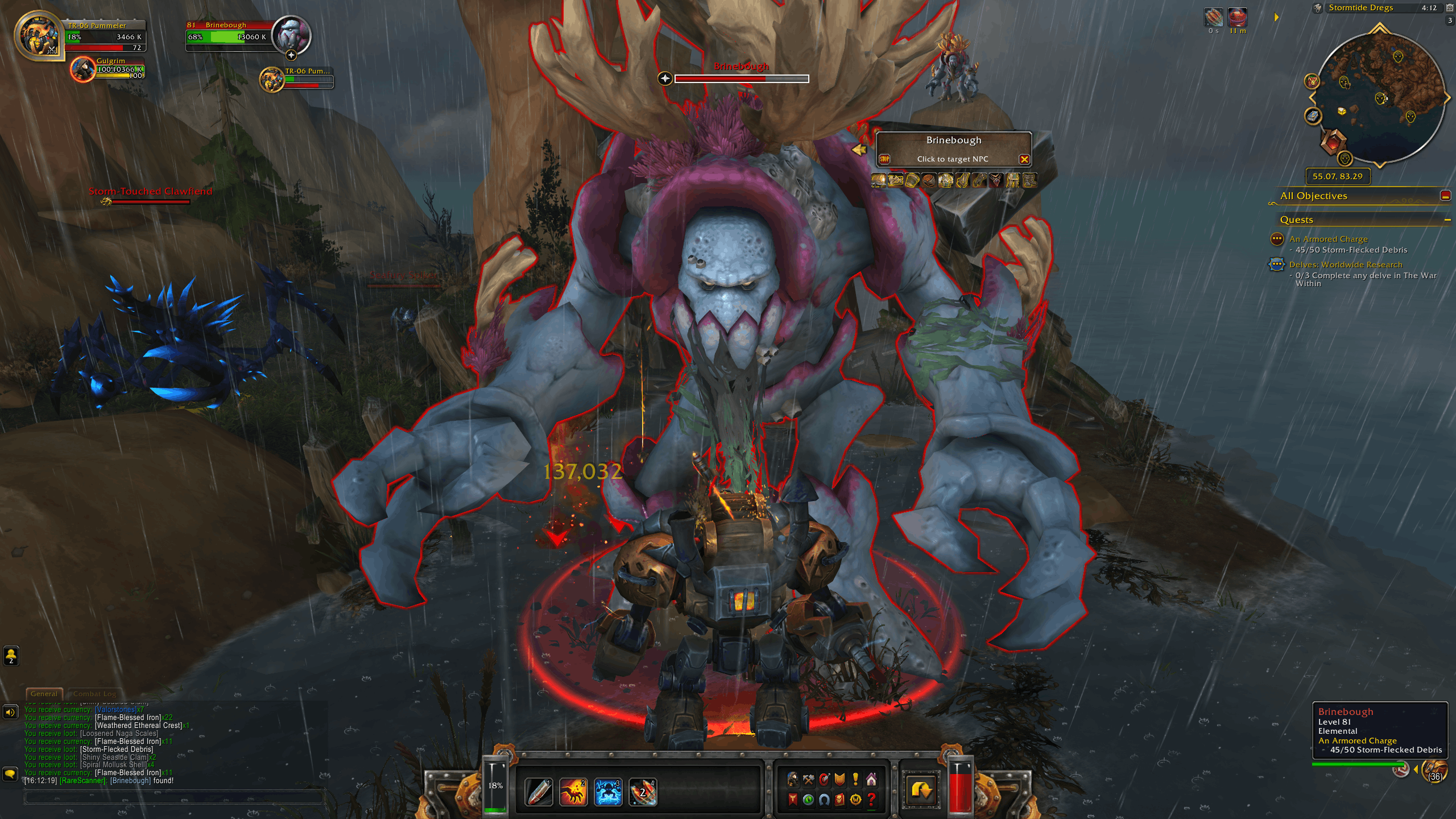
I could run around in a mech killing elites for hours on end. In fact, I did.
“I could run around in a mech killing elites for hours on end. In fact, I did.”

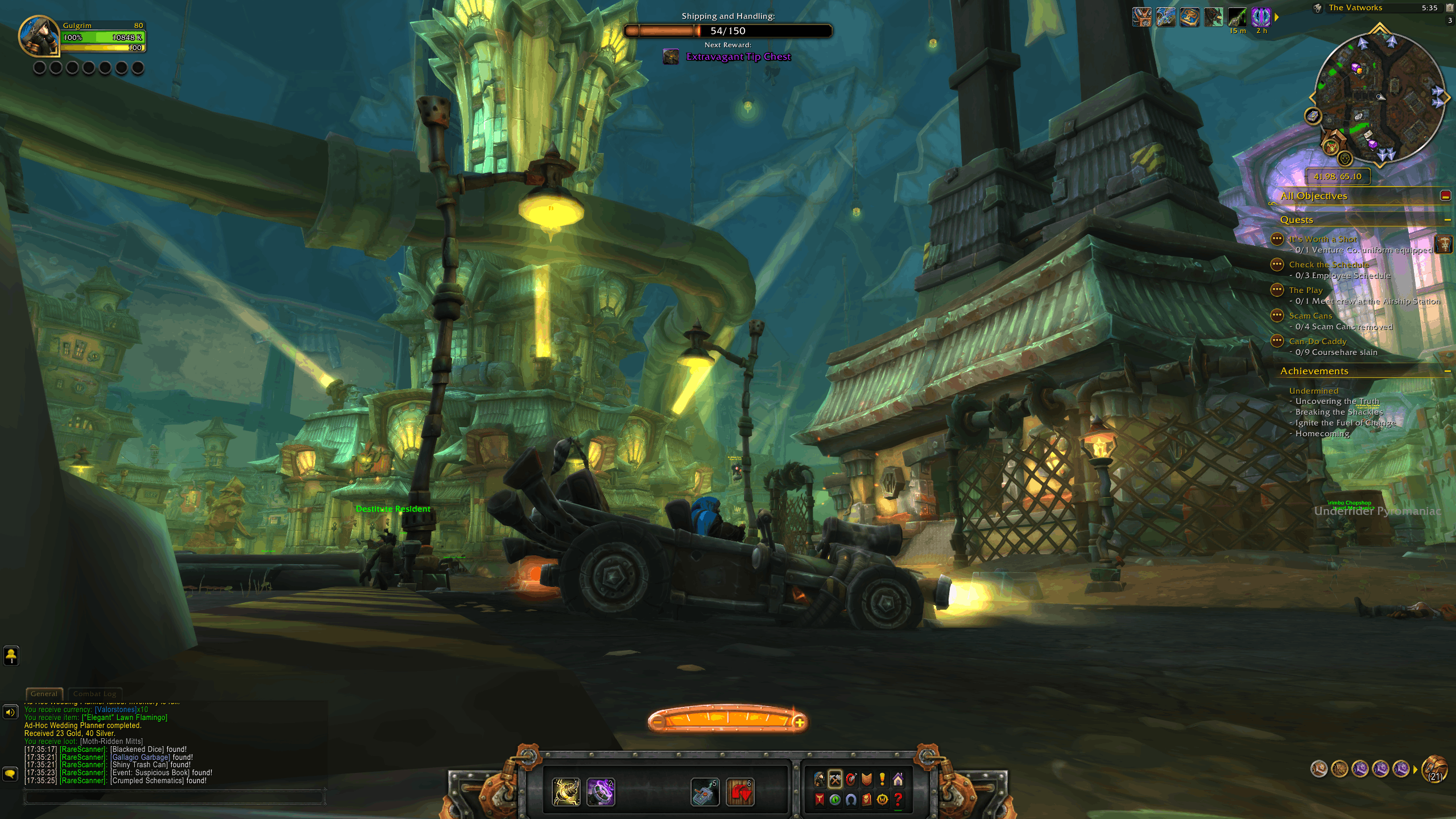
TWW’s campaign was filled with all kinds of cool moments and areas. I loved the Dwarven inspired architecture of the Isle of Dorn, the city of Dornogal, and the Ringing Depths. Hallowfall and the Arathi Lamplighters were an unexpected, extremely cool surprise. I can’t say that I loved Ajk’kahet nearly as much, but as a Warcraft 3 fan it was cool to see Nerubians get so much more attention. The seasonal patch zones were really cool this time around too. For some reason I got absolutely addicted to Siren Island – I’m not sure why, it just clicked with me and I ended up almost 100%ing it. I don’t think I’d had that much fun since tooling around on Mechagon Island in Battle for Azeroth. It should come to no surprise, but The Undermine, the huge Goblin city zone, is an absolute trip. While I didn’t obsessively grind it like I did Siren Island, I really loved how much detail went into it – speeding around in my G-99 Breakneck while some sleazy jazz plays in the background, passing by all kinds of bizarre Goblin robots, trash blowing around in the streets – there’s nothing else like it in all of WoW. K’aresh, the Ethereal zone, was neat but ultimately didn’t do much for me. Perhaps I just had a sour taste in my mouth because I accidentally triggered “The Warning” questline which locked me out of doing it’s main storyline in the proper order.

I wrapped up almost all of the TWW storylines and side quests the very week the Midnight pre-patch came out. It’s a good thing too, as my Outlaw Rogue feels a lot less punchy after its stat squish and talent changes, and the patch itself has been a bit rocky, with broken add-ons, performance issues, and the occasional disconnect. Nothing new for these huge expansion pre-patches, I guess, so hopefully this has all shaken out before the launch of Midnight. As usual, I’ll probably wait quite a while to dive into it to find out for myself. In fact, I believe I’ll be taking a break from WoW for quite a while.

If you like Warcraft's Goblins, you'll loooovvvve Undermine.
“If you like Warcraft’s Goblins, you’ll loooovvvve Undermine.”

I should mention that I’ve played quite a lot of other MMOs in recent years, but I’ve yet to write about many of them here mostly because I’m planning to revisit almost all of them sooner or later. Next on that list was New World, which I played a bit at launch and haven’t been back to since. I liked it a lot at the time, and I was already planning on going back into it to see how it has shaped up, but now that it is closing down in early 2027 it seems I have no choice but to make that a priority. 🙁

Cleaning, Climbing, and Crime!

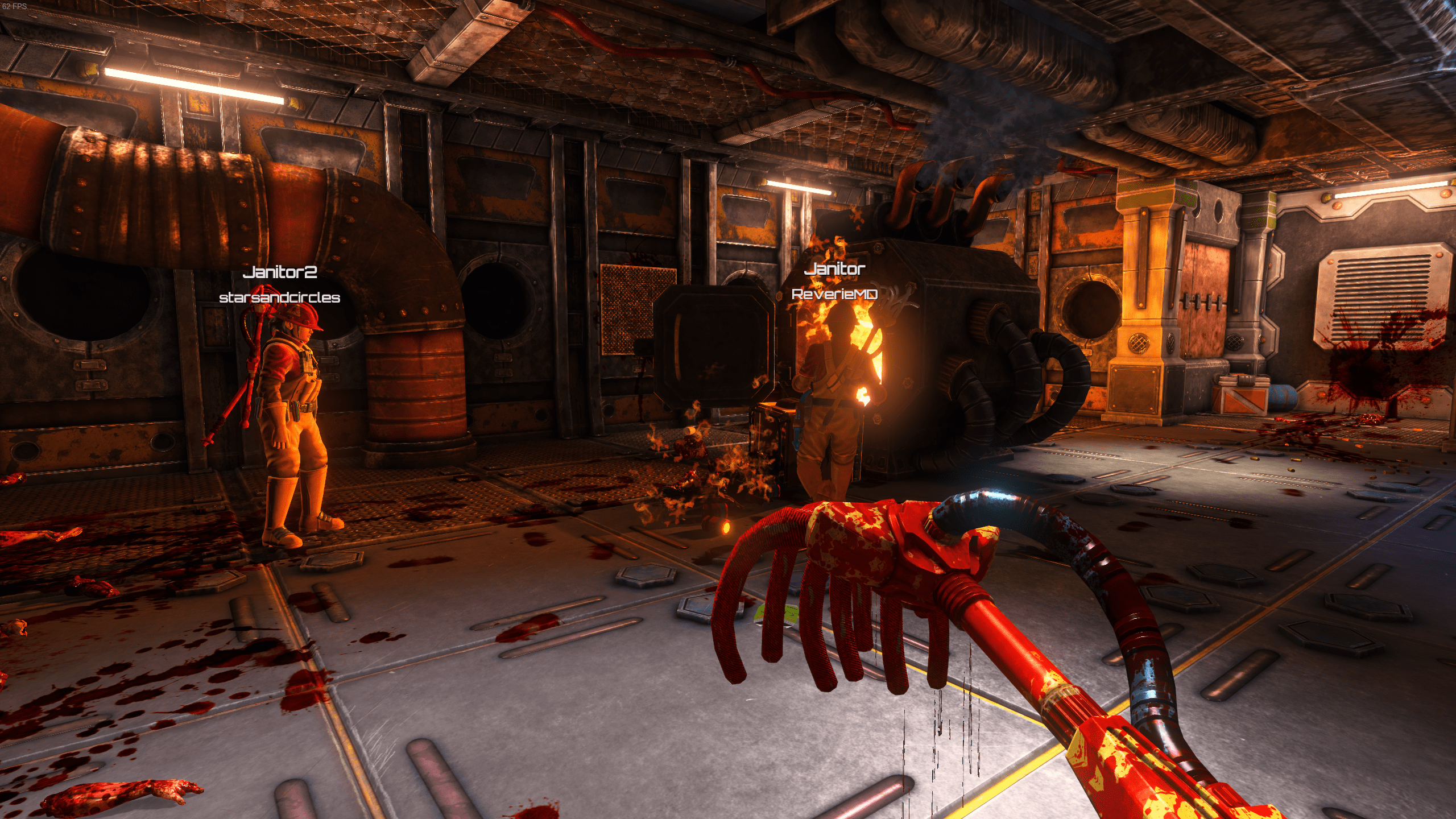
As a follow-up to Surviving Survival Tres, my group also snuck in some lower commitment co-op games in between some of the sessions of those games. We mostly did this if completed a game early and weren’t ready to quit playing for the night and/or hadn’t quite made up our minds on what our next longer game would be. The first of these games was Viscera Cleanup Detail.

I’ve been wanting to play VCD for quite a long time, after first hearing people rave about it on my favorite podcasts when it was still in early access, something like ten years ago. It had a reputation for being a scrappy little indie game that both helped invent the now hugely popular genre of games that capitalize on repetitive and comfortable yet somehow addictive activities (see Powerwash Simulator and half of the other “simulator” games on Stream) as well having a pretty amusing narrative conceit: ever think about the carnage and wreckage left in the player character’s wake in shooters like Quake and Doom? No, probably not, but these guys did! They also thought about the poor bastards that have to clean it all up. That’s VCD in a nutshell. You, and assuming you’re playing cooperatively (you should be!) your companions are essentially space janitors who have to bring order to the utter chaos left in each of these spaces. My boy Roger Wilco never had it so bad…

Welp, it's another day in the office...
“Welp, it’s another day in the office…”

These days repetitive task games, as well as games that give players purposely inaccurate controls and/or wonky physics for laughs, feel, eh… kind of quaint. Both gameplay tropes have been iterated on so much over the succeeding years that I can’t help but feel that VCD has aged kind of badly in comparison. Despite how much I love the concept of VCD, I was caught off guard by how much it leaned into the latter in particular – I was hyped to clean the ever loving hell out of some gore-strewn space station corridors, but I really wasn’t expecting the game to fight me so much in the process. Worse yet, given the game’s age, I was also never quite sure whether this was all very intentional or if these systems were just… bad. I have to imagine the former, since the game also gleefully puts other weird roadblocks in your way, such as randomly malfunctioning equipment. Regardless of intent, it feels a bit outdated and clunky by today’s standards and, honestly, while there were some hilarious moments in the 90 minutes or so I played it, I found myself more frustrated than amused most of the time.

I may go back to it one of these days just to give it a fairer shake, but I left the whole thing a little disappointed.

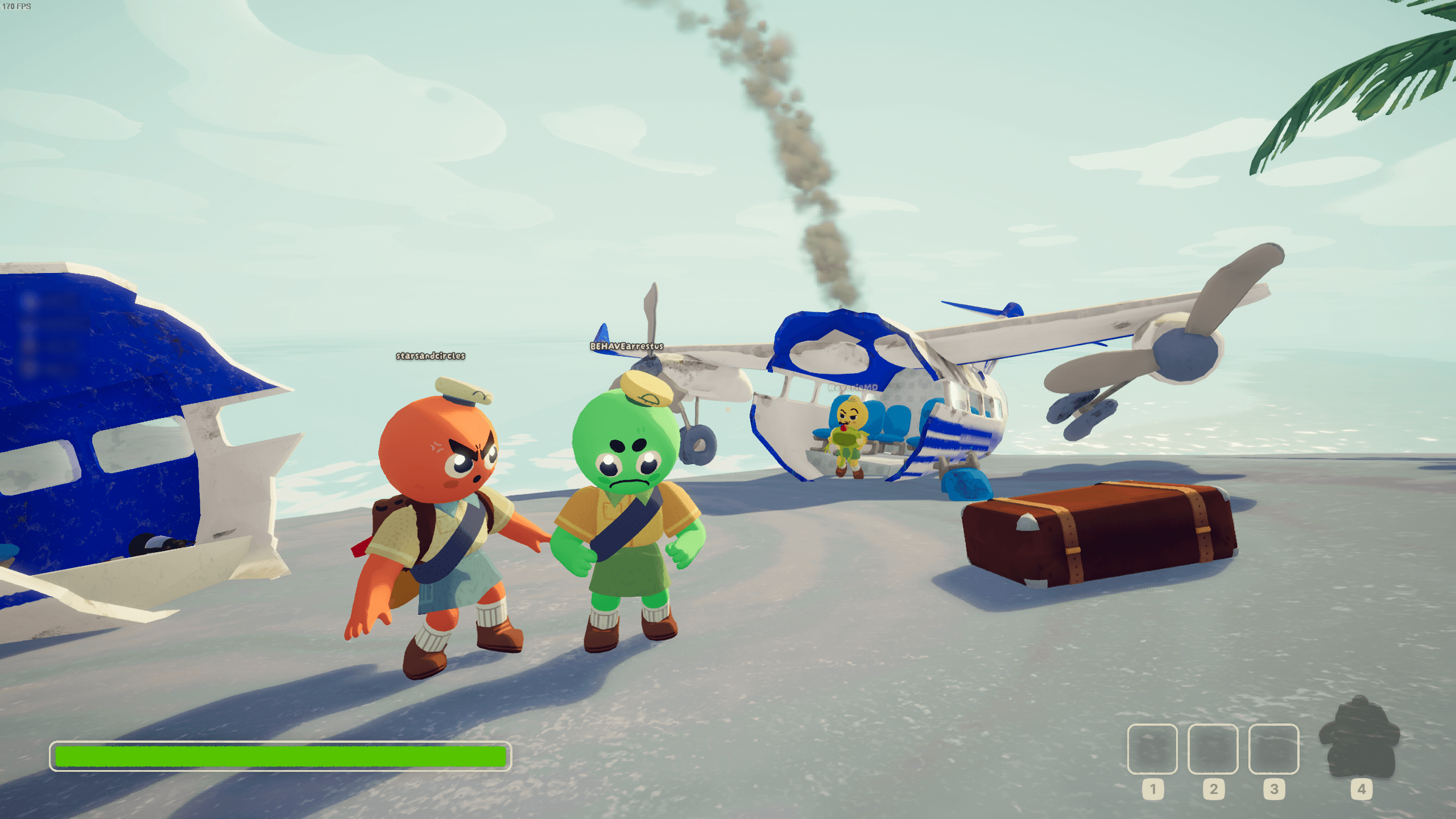
Speaking of indie darlings, we also hopped into a much newer game to hit the zeitgeist, Peak. I’d heard about Peak from podcasts like Rebel FM, but honestly, it seemed like everyone was talking about it for a little while there.

I mean, this picture was too perfect not to use.
“I mean, this picture was too perfect not to use.”

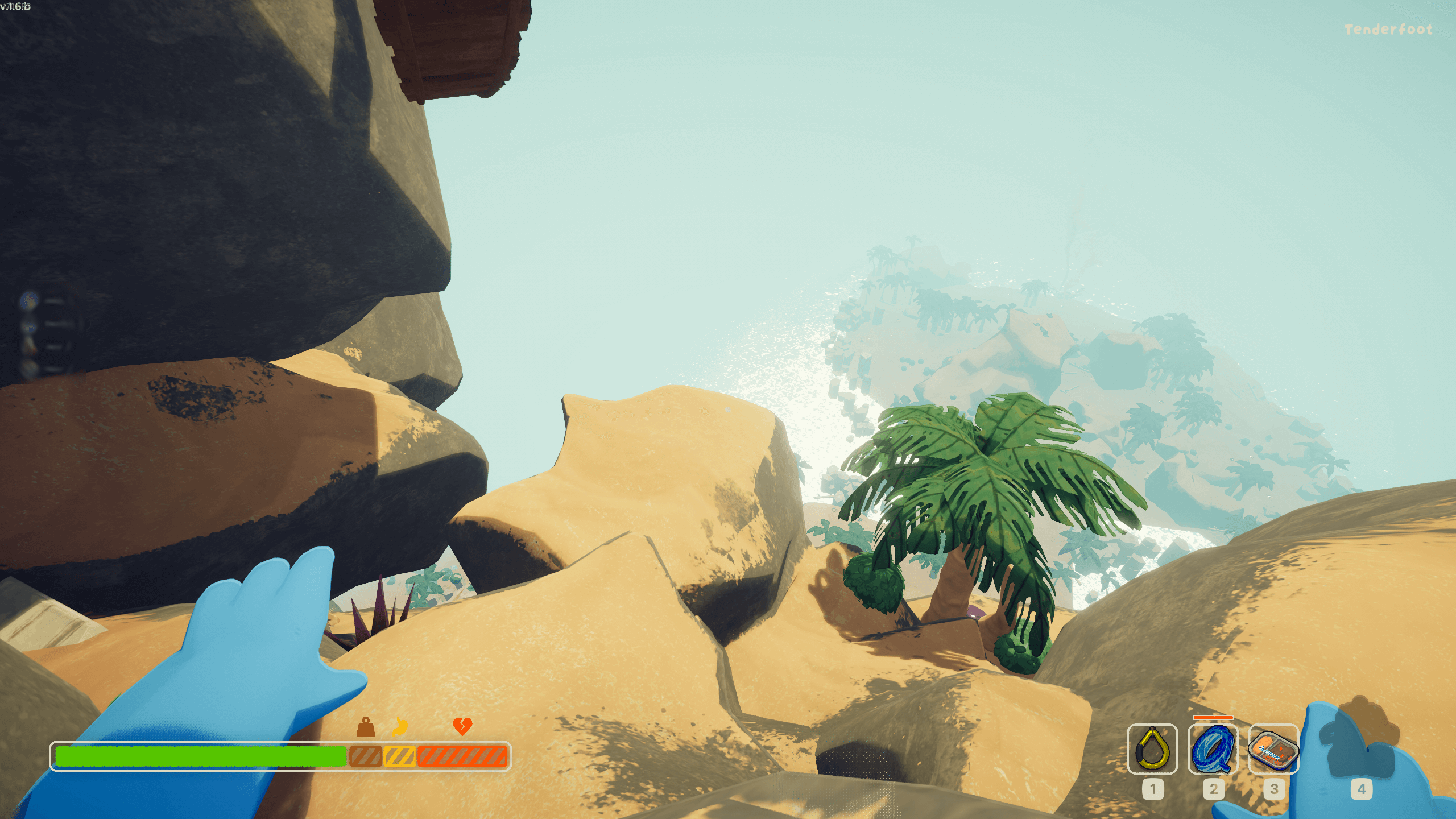
Peak is a cooperative game where you and your friends have to navigate some fairly harsh terrain, including climbing up mountains via some pretty sketchy cliffs. There’s a bit of that wonky physics stuff going on here too, but all and all it feels much more like it’s giving you the basic confines you need to work within to create a bit of a challenge rather than purposely trying to sabotage you. I suppose that’s a fine line and not all that objective, but that’s certainly how it feels to me. There are some neat little touches too, like how climbing works, the ability to give your friends a hand to pull them up, and the numerous items you can loot along the way that can sometimes help you achieve your goals.

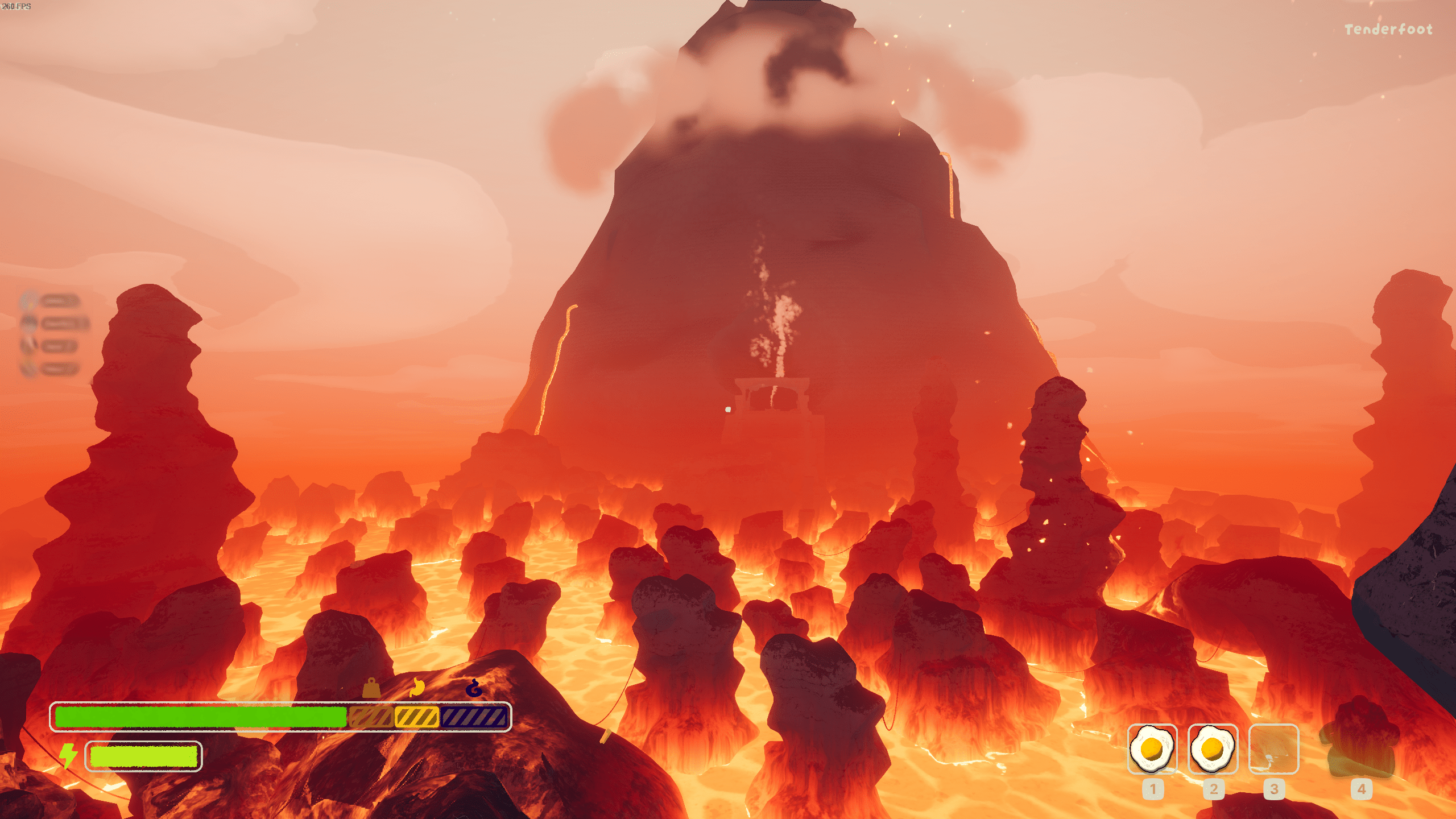
The game also has an optimistic vibe which starts off feeling like a fun adventure with your friends. It doesn’t really stay that way though – while you’ll quickly get better at the game, naturally, the first several attempts to get to the top of the first mountain can feel tense and a little harrowing, and it only gets worse from there. That is, each run in Peak has you navigate through 5 different biomes, procedurally generated daily. Some of these biomes are harder than others, and many have some neat features unique to their themes, like the prevalence of ice anchors and storms in the snowy area, for instance. It’s worth noting that we played before the most recent two types of biomes were added to the game, so no experience with those. Anyway, this culminates in a final area, The Kiln, which is an almost vertical climb up a massive shaft while lava rises beneath you. Ooof!

Looking back down onto the beach from the first mountain.
“Looking back down onto the beach from the first mountain.”

Of our sessions, we managed to make it to The Kiln multiple times, but by the time we got there we were in bad shape and had depleted most of our items, and were therefore ill-equipped to make it to the top. Not that we didn’t give it a go regardless. Making it all the way to the end but not beating it multiple times is a bit of a downer, though honestly I think most of our frustration came from other areas. For one, if your character dies and can’t be revived (which is common, since sometimes you’ll die from a nasty fall and your teammates won’t be able to backtrack to where you fell) you can’t be resurrected until reaching the campfire at the summit of the current biome. This means if you die just after getting there, you might be effectively out of the game for a very long time.

There’s also something of a time limit in the form of a rising fog which, not unlike the closing circle in a Battle Royale game, forces you to keep moving and keep somewhat of a decent pace.The fog is rarely a problem in and of itself, though if you all manage to die, be it to the fog or a series of misadventures, you all have to start all over again. I was personally pretty surprised that the first time this happened we didn’t restart back at the last campfire. Having the campfires be checkpoints seems like an absolute no-brainer to me, but I suppose that is counter to the rogue-like “run” design the developers had in mind with Peak. Fair enough, I guess, and it does seem like they’ve added a partial solution to this (the “Checkpoint Flag” item) in their latest content push, so perhaps that will help (although given the random nature of finding items in this game and the fact that its a per player, single use item, I’m skeptical!)

Okay, now shit is getting real!
“Okay, now shit is getting real!”

After my 8 or so hours with Peak, I think my biggest frustration with the game is how close it is to being really, really great. I fully expected the devs to iterate on the design and quickly release more and more content, but it’s been a little slow and underwhelming. These types of games (recently I’ve been hearing them called “Friend Slop” which is both very descriptive and a little unfortunate) tend to be a little short-lived in terms of player interest, with a new one, RV There Yet?, currently getting a lot of attention. Still, I think Peak is a fun game and recommended for people looking for a quick, pick-up-and-play cooperative experience, and I doubt that’ll change even after everyone has moved on from it.

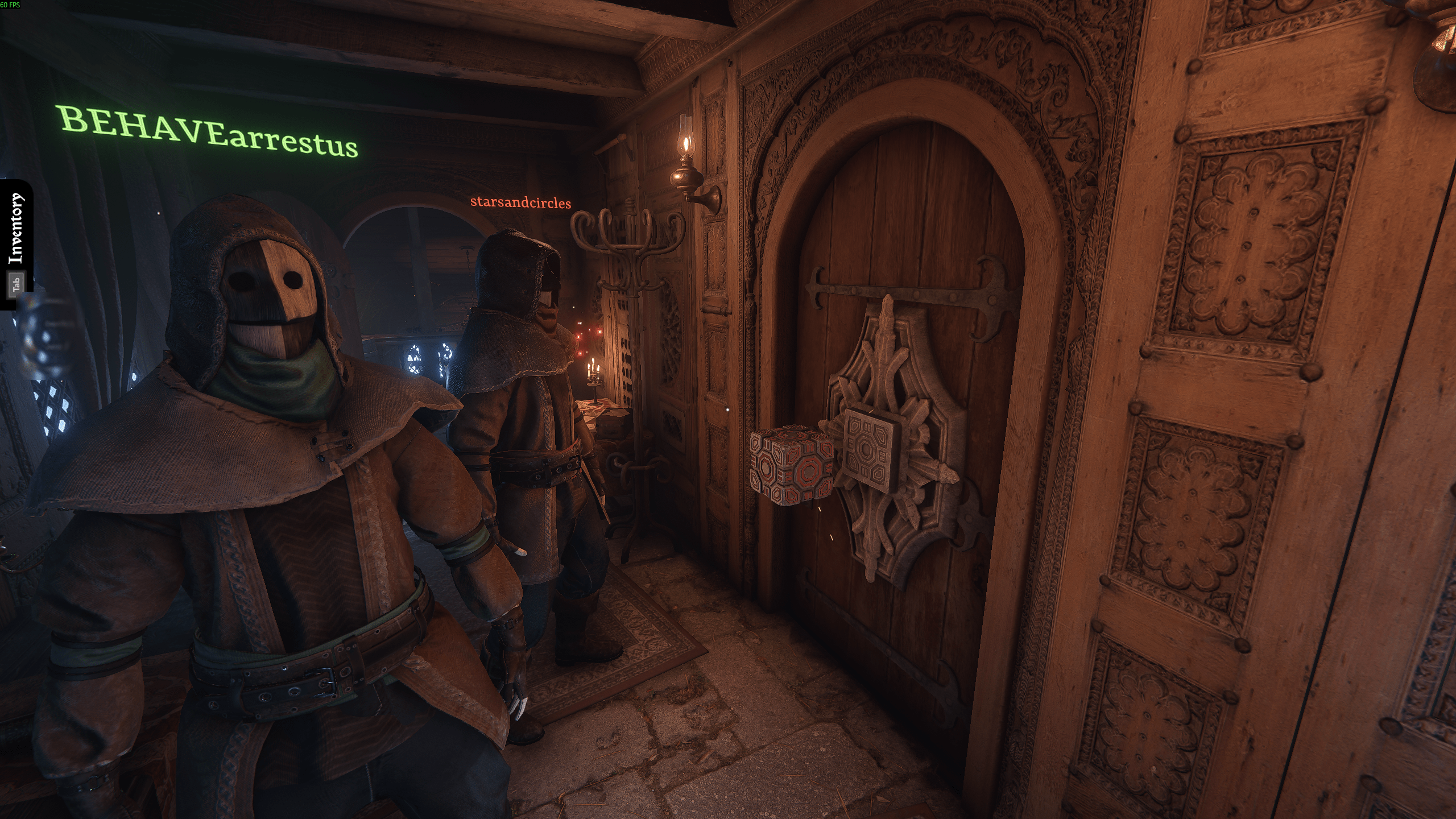
One game I almost forgot we even played was Escape First Alchemist. This was a pretty simple escape room style cooperative game, though unlike the last game of this type I played, We Were Here, EFA feels much more like a true escape room experience – you and up to 3 others are tossed into an area with no prescribed roles, you just have to work together to solve puzzles to progress.

Unraveling the mysteries of... a door.
“Unraveling the mysteries of… a door.”

The setup is that you’re an alchemist’s apprentice, and you’ve got to try to free the master alchemist, Trismegistus, from whatever kind of magical pocket dimension he’s got himself trapped in. The puzzles are themed around this – brewing potions to affect yourself with whatever strange abilities they grant, fiddling with arcane machines, accessing secret passages with interesting mechanisms, that kind of thing. Honestly, while the game no doubt has some very cool moments and interesting ideas, as a whole I didn’t find many of the puzzles or the gameplay overall to be all that compelling. I was especially let down by the ending, which didn’t feel anywhere nearly as climactic as I want from a game like this. Honestly, ending with some vague text is kind of a letdown when the rest of the presentation was so nice.

Still, EFA only takes 2 or 3 hours or so to play through, and as a co-op experience, it’s fun enough. It has some really nice visuals and an excellent presentation overall, which really helps sell the experience, although the magic book that acts as your narrator apparently annoys a lot of people. I think in our case we were too busy talking amongst ourselves to focus too much on it, really. Personally, if Escape First Alchemist sounds appealing to you, I’d probably hold off until it’s on sale.

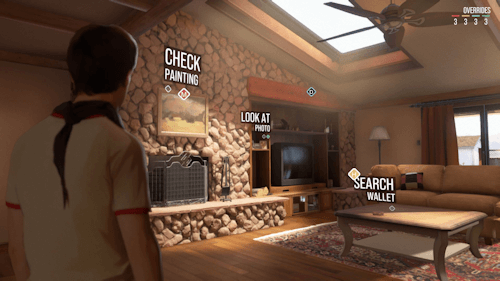
Well, it definitely looks like a narrative adventure game!
“Well, it definitely looks like a narrative adventure game!”

Radically changing directions, it’s been a while since my partner and I played through a narrative game together, but the mood struck us and we ended up diving into As Dusk Falls. Really, As Dusk Falls has been on my radar since before it was released back in 2022, but despite constantly hearing people sing its praises, I was skeptical of what little I knew of its story, and I actually found its unique art style, which reminds me of a low-rent version of A-ha’s Take On Me music video with its stylized makeovers of static images of real actors choppily stitched together, kind of off-putting. I’m not sure what intrigued her about the game, I’m guessing she heard some buzz about it from somewhere, but when she suggested it, I figured why not finally check this thing out.

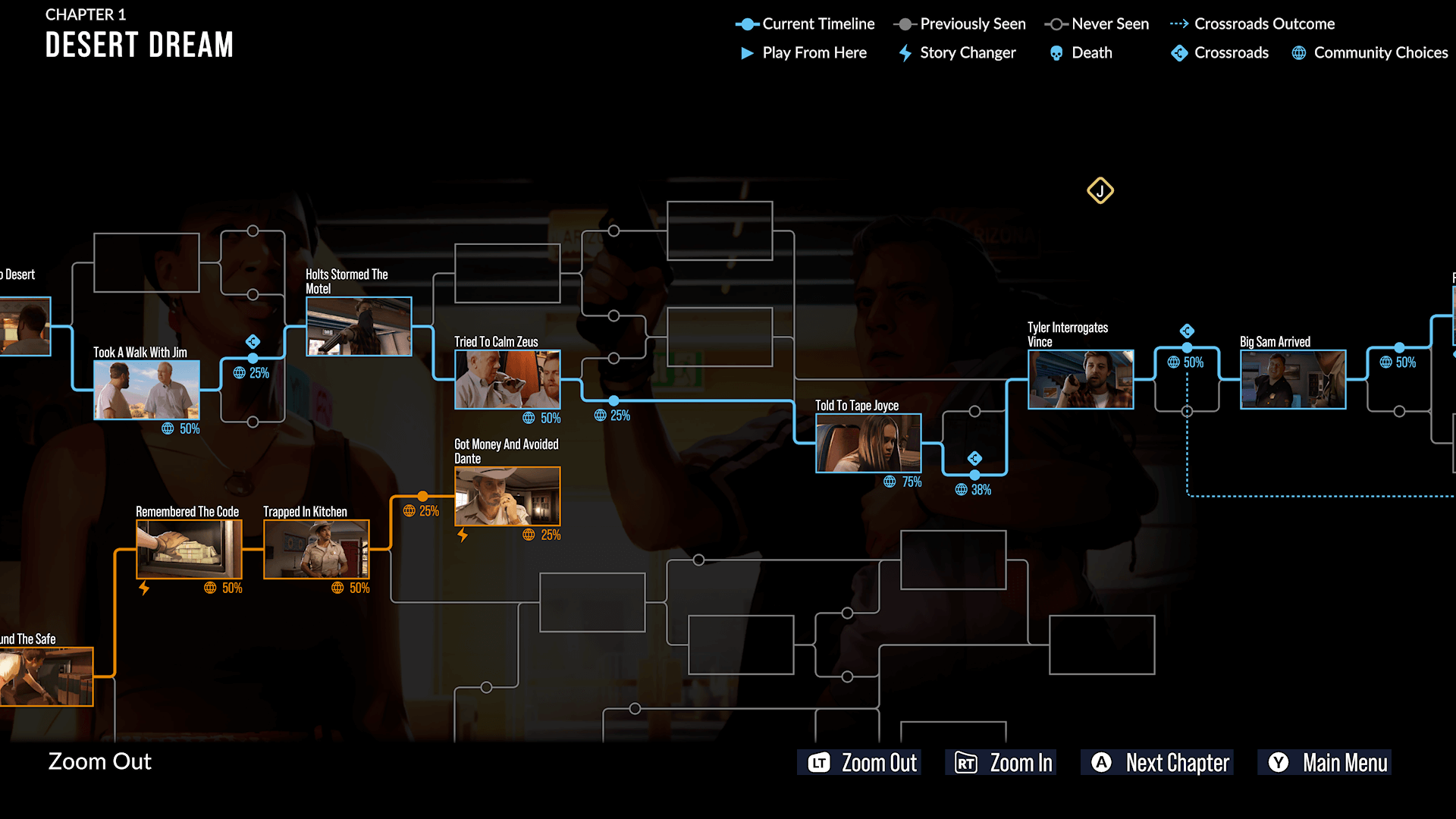
For those unaware, As Dusk Falls falls is a narrative adventure game where you make conversation choices and other decisions, occasionally spiced up with some action scenes in the way of relatively simple QTEs. The game is split up into numerous chapters over 6 episodes, although for some reason the episodes were released all at once rather than the usual strategy of having weeks or even months between releases. In terms of how this is all implemented, I think it falls closer to the confusingly similarly titled Until Dawn or one of SuperMassive’s other horror adventure games (although I believe Quantic Dream’s DNA is what is actually at play here, though I’ve yet to play any of their games so I can’t quite compare them) which is to say that your choices matter a lot more than, say, a Telltale game, in terms of impactful results, with numerous endings (or at least, variations of endings.) The game wants you to be aware of this too, as at the end of each chapter you’re shown a tree of every impactful decision and how they all branch out, which is always really fascinating to look through.


“These end of chapter decision trees are too cool!”

We played ADF via the game’s couch co-op mode, which assigns some decisions and actions to random player, and others more democratically (which may sound weird, but it also supports up to 8 people online, so a majority wins scenario makes a lot more sense there.) Interestingly enough, something I hadn’t seen, or at least not so prominently in other similar games, is that you can tune a lot of the game’s difficulty modifiers, like making it impossible to run out of time when making a decision, or making the timing on QTEs ridiculously easy. At first we had tuned a lot of this stuff to make it all really easy (I mean, who wants to fight against ridiculous QTEs?) but we actually ended up turning it all back up, as these kinds of games are a little broken if you make them too easy. I mean, if you never fail a QTE, you never get to see the resulting branches, and I’d imagine some of these scenes are tuned to be harder than others to push players towards a more likely path. It just made things feel a bit more linear than they were intended to be, and where’s the fun in that?

The story of As Dusk Falls revolves around a couple of brothers who get into some trouble with a corrupt sheriff, which quickly escalates into a hostage situation involving a whole heap of other characters. You mostly play as either one of these brothers, Jay, or as one of the hostages, Vince. Set against the backdrop of a small town in Arizona, the whole “bored teenagers stuck in a seemingly dead end rural wasteland” vibe stuck with me probably more than anything else about the game. I actually find something about that vibe, especially when it comes with crime stories and the desert, a little unappealing, but hey, I love Breaking Bad and No Country for Old Men, so maybe there’s also something in that inner conflict that works for me? That said, it’s hard to feel much sympathy for the Holts, even if Jay was somewhat more relatable and redeemable, and like a lot of good crime stories, there are some pretty harsh outcomes that some might find a little distasteful.

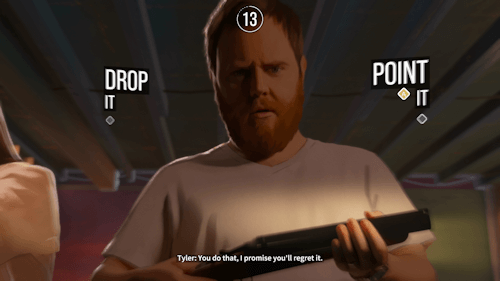
Most of your decisions will be fairly black and white, and very impactful.
“Most of your decisions will be fairly black and white, and very impactful.”

As I suspected, despite kind of disliking the art style, I got used to it pretty quickly, and while I’d occasionally see some animation or other element that was laughable, it mostly ceased to become an issue, and I might have even warmed up to it a little by the end of six episodes. I still don’t really know if this was a budget concession, strictly an artistic choice, or somewhere in between, but alas, if it was done to cut costs, I suppose I’m good with it if it allows more games like this to be released in the future.

In the end, I do think As Dusk Falls is a really good adventure game, but just how much you’re going to enjoy it is going to come down to whether its story, setting, and unique art style work for you. I still have some mixed feelings about it, myself, but I can’t deny that it deserves its place amongst the more notable of these types of games, and I’m quite surprised that INTERIOR/NIGHT still hasn’t followed it up yet, although they did just get the PlayStation port of it out last year, so perhaps they’re just not far enough along yet to make any announcements.

A couple of these As Dusk Falls screenshots were swiped from elsewhere due to us neglecting to take any screenshots while playing, with the exception of that end of chapter 1 decision tree.