Tag Archives: Xbox Series X|S

Xbox – Past/Present/Future

I rarely get on my soapbox and post rants on here but all of the news around Xbox has been inspiring me to want to write something for a while now. Every time the feeling subsides without me typing anything up, yet another piece of news drops that starts the process all over again. So, here I am, finally putting pen to paper, as it were.

Xbox: The Good Times

Instead of jumping right into all of the (mostly negative) events around Xbox lately, I figured I’d give a little background on how I became an Xbox fan, and what that journey has looked like through the years.
Ashes of Creation Early Access
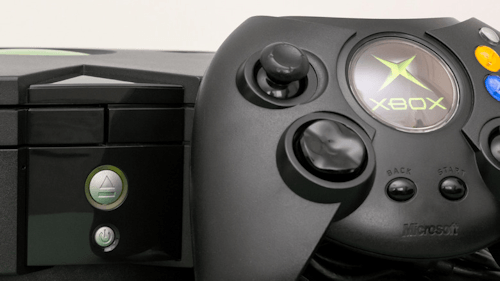
“I actually never had a ‘Duke’ of my own. Viva la Controller S!”

In something of a redux of me using one of my first paychecks to bring home a shiny new Nintendo 64 and a couple of games in the summer of 1997, my brother came home from a shift at his new job in, I’d guess, 2002 with a new Xbox and a couple of games. Being fairly checked out of gaming at the time, I don’t remember hearing too much about the Xbox or any of its upcoming games. I’m sure it didn’t help that, despite continuing to begrudgingly run Windows as my primary OS, I didn’t consider myself to be any great fan of Microsoft; I probably dismissed a lot of these rumors with a casual roll of the eyes. Not unlike the inspiration behind my N64 purchase, my brother had first tried an Xbox at a friend’s house and was blown away. I, on the other hand, remained skeptical.

One thing that hopefully isn’t too evident is that I’m often a bit of a skeptic when it comes to new things, especially technology and popular trends. Popular technology trends? Right out! I try to be open-minded and I’m certainly no Luddite, but I think “cautiously skeptical” would be the best way to describe my mindset. When my brother fired up Halo: Combat Evolved, I was both impressed and also a little judgemental, knowing how much the FPS genre had progressed in recent years on the PC. But, to steal a line from my Halo Fest post about Halo: CE, “I was quickly won over by its unique aesthetic, mysterious science fiction storyline, slick, polished execution, and almost perfect early implementation of dual analog stick FPS controls.” Of course, all of the good times playing split screen Slayer with my family and friends didn’t hurt either.

At around the same time I’d built my first new PC in years and dove back into PC gaming, particularly online, with a vengeance. After months of being absolutely glued to my monitor for hours every evening, I decided it might be nice to take some breaks away from my computer, as well as focus on some single-player games for a change. I knew from my brother’s Xbox that I liked the hardware, and never being a massive fan of JRPGs or fighting games, Xbox’s more western aligned library spoke to me a bit more than PlayStation’s. When it did come to Japanese games, however, some of my favorites were those standouts from my short time as a Sega Dreamcast owner, and as most fans of either console are well aware, Sega went hard on supporting the Xbox early on, releasing superior ports as well as sequels exclusively on the Xbox. I was particularly stoked to play Jet Set Radio Future (still an all-timer for me!) and to finally play Shenmue II.

During this time, I noticed that I had developed an unfortunate habit of buying every new game that caught my eye, playing it for a few hours, and then never playing it again whether I liked it or not. While I suspect quite a lot of gamers play this way, at some point I realized I wasn’t really getting my money out of these purchases, and I vowed to start beating every game I played. This intentional shift in my behavior around single player games is still something I do to this day – usually if I play a game, I fully intend on seeing it through. Maybe not 100%ing it, but at least completing the main single player campaign. One big downside is that I play a lot less games as a result, and by the Xbox 360 era I still had a huge library of original Xbox games I was slowly working my way through. Feeling left behind and determined to get an Xbox 360 “soon” I made a concerted effort to finish playing through the rest of my games, which was especially hard since my library kept growing. At some point I had to draw a line in the sand, or I’d never move on. Despite this being a bit of a grind, I have fond memories of this time.

When I finally joined the 7th console generation in 2007, I’d developed a similar habit of stocking up on every game that interested me, although by then it had shifted to the more frugal approach of buying used copies of games from GameStop, usually taking advantage of their sporadic “buy 2 get 1 free” sales. To this day, my collection of physical Xbox 360 games is absolutely massive and contains quite a few games I never got around to playing despite having every intention to. Regardless, those first few years of owning an Xbox 360 were great, with some of my favorite games at the time being released back to back, and having a lot of fun playing multiplayer, both online and offline, with a large group of local friends. While this blog was born around that time, it was just a year or two later, so unfortunately a lot of those games were not covered here.
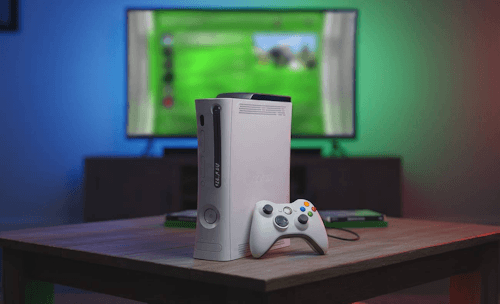
xbox 360
“It’s a thing of beauty, although I rock the Slim model these days…”

By the time the 7th generation finally started to wind down, I’d decided to reduce my gaming footprint down to only a single machine going forward, and it… wasn’t an Xbox. Don’t get me wrong, I hadn’t regretted my time with either the Xbox or the Xbox 360, but if I could only have one machine, it had to be a PC. Not only could it play most everything a console could play that wasn’t an exclusive but it could do so, so much more, and gaming is only one of many hobbies I have based around computers. Plus, as mentioned, I still had plenty of great Xbox 360 games to work my way through. On top of that, I had to begrudgingly admit that if I were to get a console, the PlayStation 4 was looking more like what I wanted – I didn’t care about the Kinect and while the Xbox One’s media integration was neat, it wasn’t what I was there for. Meanwhile the PS4 was much more focused on playing games and playing them well, and Sony had been building an impressive staple of exclusives over the years to boot.

I’ve told this story here before, but those notions all fell through in spectacular fashion in 2016 when I went out one Sunday afternoon to stop by work for just a couple of hours, only to return home to discover that my house had been broken into. One of the (thankfully) relatively small selection of things the burglars made off with was my Xbox 360. Because of my renter’s insurance company’s generous replacement program, not only did I get paid out for the depreciated value of everything I lost, but they’d also pay the full dollar amount to replace certain items. With the Xbox 360 no longer for sale, I got myself an Xbox One S for free. “Just when I thought I was out, they pull me back in!”

With both my partner and I having already invested so much in Xbox, it only made sense for us to continue down that path, especially given Microsoft’s continued treatment of backwards compatibility as a valued part of its ecosystem. While I never upgraded to the impressive Xbox One X, when the Xbox Series came out, I wasted no time upgrading to a Series X. Since then, I’ve only continued to do more and more of my game hoarding with Xbox, although pretty much exclusively digitally. Not unlike Steam, the Xbox Store has had regular, generous sales multiple times a year, making it all too tempting to load up on anything I’m even vaguely interested in. Despite the lack of many exclusives that really excite me, I’ve really enjoyed my time with the Xbox One and Xbox Series consoles, and I still do.

But things have gotten a little weird

Xbox: The Not So Good Times

While the Xbox 360 arguably won the 7th generation with superior online features and only a few notable missteps (the whole “red ring” fiasco chief amongst them) compared to Sony’s slew of facepalming blunders, it started off the next generation quite poorly indeed. As mentioned, Microsoft seemed to be marketing the Xbox One as more of a multimedia machine than a gaming console, and you can’t downplay how much damage the whole always-on DRM fiasco did to their reputation with “core” gamers. Whether or not rumors about Sony planning to follow suit and changing their minds last minute were true, you can’t deny that Sony played that whole thing out to their advantage. Microsoft course-corrected, and a lot of people loved the Xbox One Slim and the later Xbox One X as much more gaming focused machines, but the damage was done and the silliness around all of this (“we have a product for people who aren’t able to get some form of connectivity; it’s called Xbox 360″ – Don Mattrick) lives in gaming culture infamy.

The PS4 was also a lot more powerful than the Xbox One which only reinforced the notion that the Xbox was no longer the best option for “core” gamers. This flip-flopped with the later releases of the PlayStation 4 Pro and the Xbox One X, but the damage was done. While a bit closer together, the Xbox Series X is also more powerful than the PlayStation 5, but the release of the Xbox Series S as a less expensive, lower spec model which Microsoft required studios to support is often blamed for the lack of more impressive technological advancement in the current generation. While this is debatable, if nothing else, there are some specific examples where this clearly impacted availability on Xbox, with the delayed release of Baldur’s Gate 3 being a notable one from recent years.
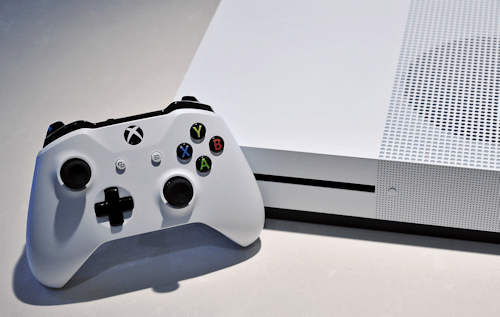
xbox one s
“You know, I still really like the look of the One S!”

Then we have the matter of Xbox exclusives. While this has always been an element of every console war debate, it truly became an issue for Xbox with the Xbox One and has only gotten worse. Xbox’s exclusives are few and far between, and very few of them have had the appeal of those associated with the PlayStation brand. That’s not to say there are no good exclusives, but a 1:1 comparison isn’t all that favorable. To make matters worse, Xbox started making more and more of their first party games available on PC. While I personally think this is a great thing, it is almost always used as a negative against Xbox in such debates – these titles are no longer platform exclusives, but console exclusives. Since a lot of gamers either own gaming PCs and consoles, or game on PC exclusively, it’s hard to deny that the wider availability of these games means there’s less reason to own an Xbox. Fast forward to 2025, and Xbox is even launching games on PlayStation, with them more or less stating that exclusives are an outdated concept, which raises questions about whether or not Microsoft sees Xbox as more of a publisher than a platform these days. Meanwhile, Sony has recently announced that its taking the opposite approach, and stepping back from its relatively recent move of porting more of its games to PC – they seem to be joining Nintendo by walling their garden back up.

When it comes to particular exclusives, I’m a Halo fan, and it’s hard to not talk about how much cachet the Halo series has lost since Bungie left Microsoft. There have been non-stop issues around the series since the hand-off to 343 Industries. It’s been fixed and further improved since, but the Master Chief Collection, one of the Xbox One’s most attractive exclusives, was a bit of an infamous blunder when first launched. Halo 4, Halo 5, and Halo Infinite are all surrounded by their own controversies as well. A more negative perspective on this could paint this as Microsoft essentially killing the goose that laid the golden egg. While I don’t view the situation quite as harshly, there’s no denying that the Halo franchise isn’t what it used to be. Still, I suppose it won’t be able to consider itself an Xbox console exclusive soon anyway.

Speaking of killing those golden egg laying geese, one odd thing about Microsoft’s acquisition of development studios over the years is that they’ve reportedly been relatively hands off when it comes to managing most of these studios and/or their projects. Going against the stereotype that publishers meddling in development is one of the primary reasons for so many problems with specific game releases, Microsoft has been accused of not meddling enough – leaving studios and their projects to fail due to mismanagement instead of lending their resources to ensure successes. Overall, it feels like we’ve seen more interesting games get cancelled than come out lately. Despite this, Microsoft has continued to gobble up more and more developers, including the insane acquisitions of ZeniMax Media and Activision Blizzard, bringing them under the Xbox Studios umbrella. Complaints about consolidation aside, Xbox fans wouldn’t be silly for thinking these would be massive wins for Microsoft, and yet very little of note has come out of most of these acquisitions.

Despite all of this, Microsoft has since conducted mass layoffs, even closing entire studios. This could be seen as (and indeed, was sold as) trimming the fat, but nothing encapsulates the controversy around this quite like the situation with Japanese studio Tango Gameworks. Tango released Hi-Fi Rush as a bit of a surprise announcement in January 2023, which went on to garner critical acclaim, and yet Tango was included in the May 2024 announcement of studios being shuttered. If the backlash from fans wasn’t already loud enough, Xbox Game Content and Studios head Matt Booty mentioned that Xbox needed more games which could secure “prestige and awards”. The contradiction and lack of logic around that situation was blatant, sealing yet another infamous chapter in Xbox’s history.

It’s hard not to blame a lot of this on Xbox’s focus on their Game Pass service as their primary sales strategy. For fans, it has been hard not to love Game Pass – access to most first party titles and a huge selection of third party titles, including day one access to new first party games. It’s always felt like a great deal, and the number of times a new game has been released that had some of my friends worrying about justifying the purchase, only for me to have it for “free” would have easily justified the cost if I was the type of gamer who played more games on day one. Still, from the early days critics have wondered how this was sustainable – surely Microsoft and individual third party studios would be leaving a huge amount of money from sales on the table in many cases. It can also be argued that services like Game Pass, along with huge sales on platforms like Steam, lower the perceived value of games, which isn’t a great thing when games cost more to make every year. More relevant to the discussion of studio closures, however, is a shift from looking at critical reception and sales numbers to looking at how launches of new titles on Game Pass impact subscriptions.
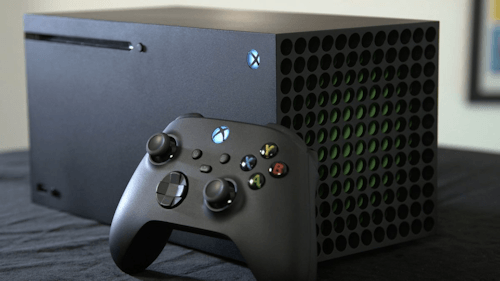
xbox series x
“The Series X. I love that hint of green!”

Another more recent controversy related to Game Pass has been the price hikes. Game Pass Ultimate went from $14.99 a month to $16.99 in 2023, then to $19.99 in 2024. At that point, the price was feeling a bit steep, but still felt like a fairly good deal, especially with the inclusion of Game Pass on PC and other services like EA Play. In 2025 the price went from $19.99 to $29.99, which kind of blew up the Internet. So many people cancelled their subscriptions as a result that Microsoft’s account management went down for a bit, and even I, someone who has had Game Pass since its inception, and Xbox Live Gold before that, downgraded from Ultimate to Premium. The price crossed over what I was willing to pay every month for a service like this, which is double the price of PlayStation Plus Premium, for the record, and unless this was a deliberate move to justify moving away from their Game Pass strategy, it felt like a massive blunder on Xbox’s part. Of course I have no idea what the numbers actually look like, but if social media is to be believed, a lot of people chose to jump off the Xbox bandwagon at this point.

When it comes to changes in strategy, starting in late 2024 we saw an advertising campaign that focused on, between Xbox on PC and Xbox Cloud Gaming, the ability to play Xbox games on just about anything, with the slogan “This is an Xbox”. This aligned with the previously mentioned gradual shift to have just about all first party games available on PC, this has had people wonder if we’d see another generation of Xbox, and if we did, if it would be made by Microsoft themselves or perhaps licensed out to other manufacturers as some other consoles have done in the past. The release of the ROG Ally Xbox handheld suggested that neither of these is an impossibility, since despite the branding, it was made by Asus, and only supported PC games with no Xbox compatibility layer to boot.

Most recently we’ve had a bit of an abrupt changing of the guard at Xbox, with Phil Spencer and Sarah Bond both out. Phil Spencer has been a divisive figure, as despite being the CEO of Microsoft Gaming since not long after the Xbox One launch and therefore being, in one way or another, accountable for most of the negative things listed here, he seemed to do a lot right in terms of recovering from that terrible Xbox One launch, and his passion for gaming actually felt genuine, which is pretty rare in the industry. Still, his boilerplate corpo-speak communications around things like the aforementioned layoffs and studio closures does bring some of this into question. Still, it’s much more concerning that he was replaced by a former executive in AI at Microsoft, especially when AI is already being blamed for so many layoffs and other random enshitification in gaming and in tech in general. While I don’t think she was put in place to kill Xbox, as some doomsayers have theorized, I do suspect this will herald some sort of major changes in direction for Xbox.

Yet, when you add all of this up, it really does seem like Xbox has taken themselves out of the game. Sales have suffered so much this generation that there was a news story being widely discussed about the third largest retailer in the world, Costco, based just down the street from Microsoft, no longer carrying Xbox consoles. Things sure seem pretty damn bleak right now.

Xbox: The Future?

To end this on a bit more of a positive note, the next Xbox, code named Project Helix, was officially unveiled at GDC 2026, and I’ve been surprised by how positive a lot of the response has been. As suspected, we know this next generation of Xbox will be yet another step towards the platform essentially being a Windows PC, but given the impressive Windows 11 “Xbox Mode” that debuted with the Rog Ally Xbox, I think we’d be safe to look at this more as an Xbox that can play PC games than a PC that can play Xbox games. That said, I’m particularly curious about how this new Xbox will handle allowing other stores, like Steam, to run on the platform, and indeed, if they will port their entire experience (including backwards compatibility with older Xbox 360 and original Xbox games) to the Windows based Xbox app. Here’s hoping any skepticism around Project Helix and Xbox Gaming’s new CEO is just that, but I can’t blame anyone for betting against Xbox at this point. Even then, as impressed as I’ve been with the PlayStation 4 and 5, I don’t think we’d want to exist in a world where Sony doesn’t have any legitimate competition – if you were around in those days, and not a Sony fanboy, I’d guess you remember Sony’s insane hubris during the first couple of years of the PS3 era. Yikes.

Images stolen from some low effort Google Images searches.
Cleaning, Climbing, and Crime!

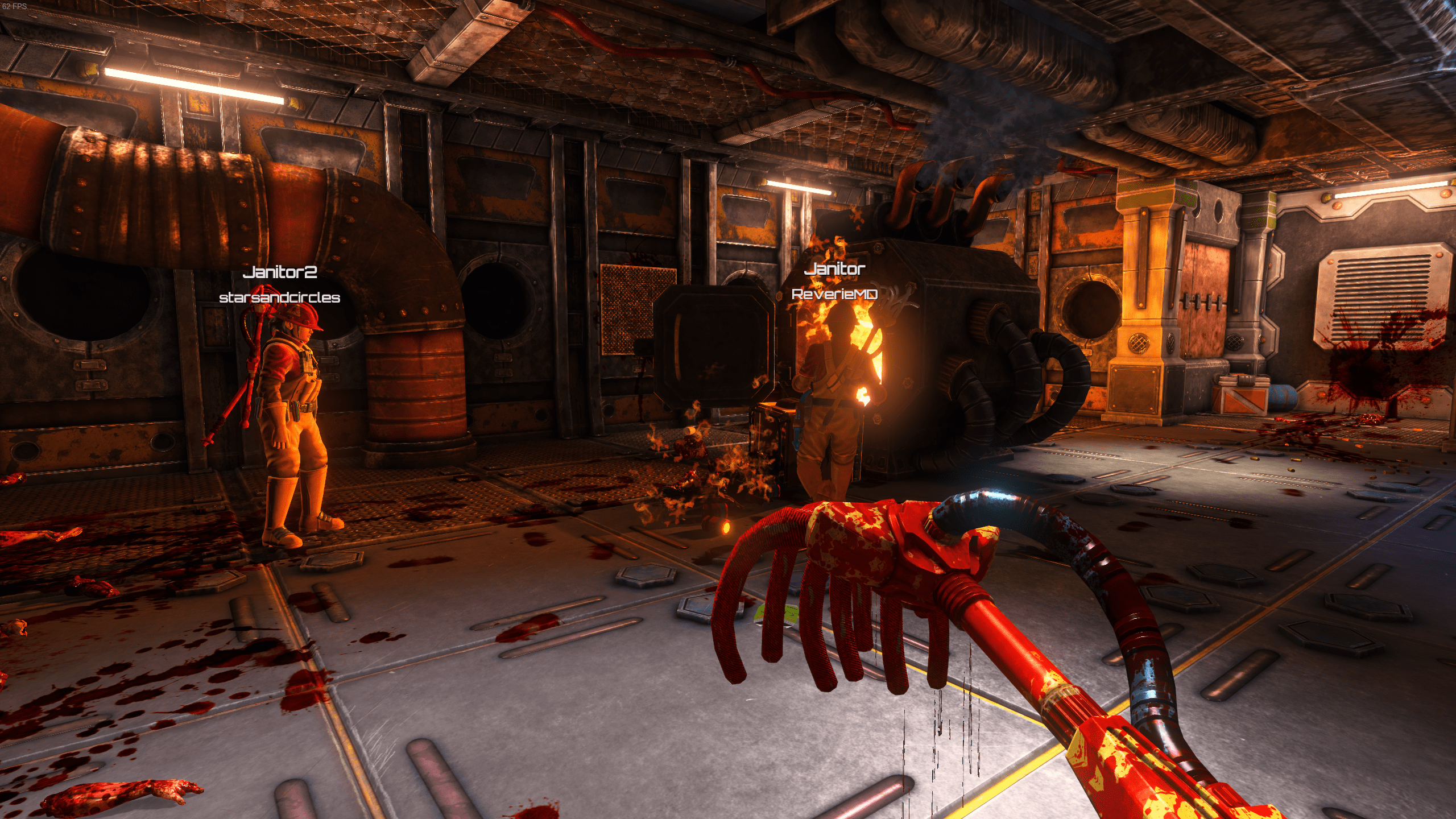
As a follow-up to Surviving Survival Tres, my group also snuck in some lower commitment co-op games in between some of the sessions of those games. We mostly did this if completed a game early and weren’t ready to quit playing for the night and/or hadn’t quite made up our minds on what our next longer game would be. The first of these games was Viscera Cleanup Detail.

I’ve been wanting to play VCD for quite a long time, after first hearing people rave about it on my favorite podcasts when it was still in early access, something like ten years ago. It had a reputation for being a scrappy little indie game that both helped invent the now hugely popular genre of games that capitalize on repetitive and comfortable yet somehow addictive activities (see Powerwash Simulator and half of the other “simulator” games on Stream) as well having a pretty amusing narrative conceit: ever think about the carnage and wreckage left in the player character’s wake in shooters like Quake and Doom? No, probably not, but these guys did! They also thought about the poor bastards that have to clean it all up. That’s VCD in a nutshell. You, and assuming you’re playing cooperatively (you should be!) your companions are essentially space janitors who have to bring order to the utter chaos left in each of these spaces. My boy Roger Wilco never had it so bad…

Welp, it's another day in the office...
“Welp, it’s another day in the office…”

These days repetitive task games, as well as games that give players purposely inaccurate controls and/or wonky physics for laughs, feel, eh… kind of quaint. Both gameplay tropes have been iterated on so much over the succeeding years that I can’t help but feel that VCD has aged kind of badly in comparison. Despite how much I love the concept of VCD, I was caught off guard by how much it leaned into the latter in particular – I was hyped to clean the ever loving hell out of some gore-strewn space station corridors, but I really wasn’t expecting the game to fight me so much in the process. Worse yet, given the game’s age, I was also never quite sure whether this was all very intentional or if these systems were just… bad. I have to imagine the former, since the game also gleefully puts other weird roadblocks in your way, such as randomly malfunctioning equipment. Regardless of intent, it feels a bit outdated and clunky by today’s standards and, honestly, while there were some hilarious moments in the 90 minutes or so I played it, I found myself more frustrated than amused most of the time.

I may go back to it one of these days just to give it a fairer shake, but I left the whole thing a little disappointed.

Speaking of indie darlings, we also hopped into a much newer game to hit the zeitgeist, Peak. I’d heard about Peak from podcasts like Rebel FM, but honestly, it seemed like everyone was talking about it for a little while there.

I mean, this picture was too perfect not to use.
“I mean, this picture was too perfect not to use.”

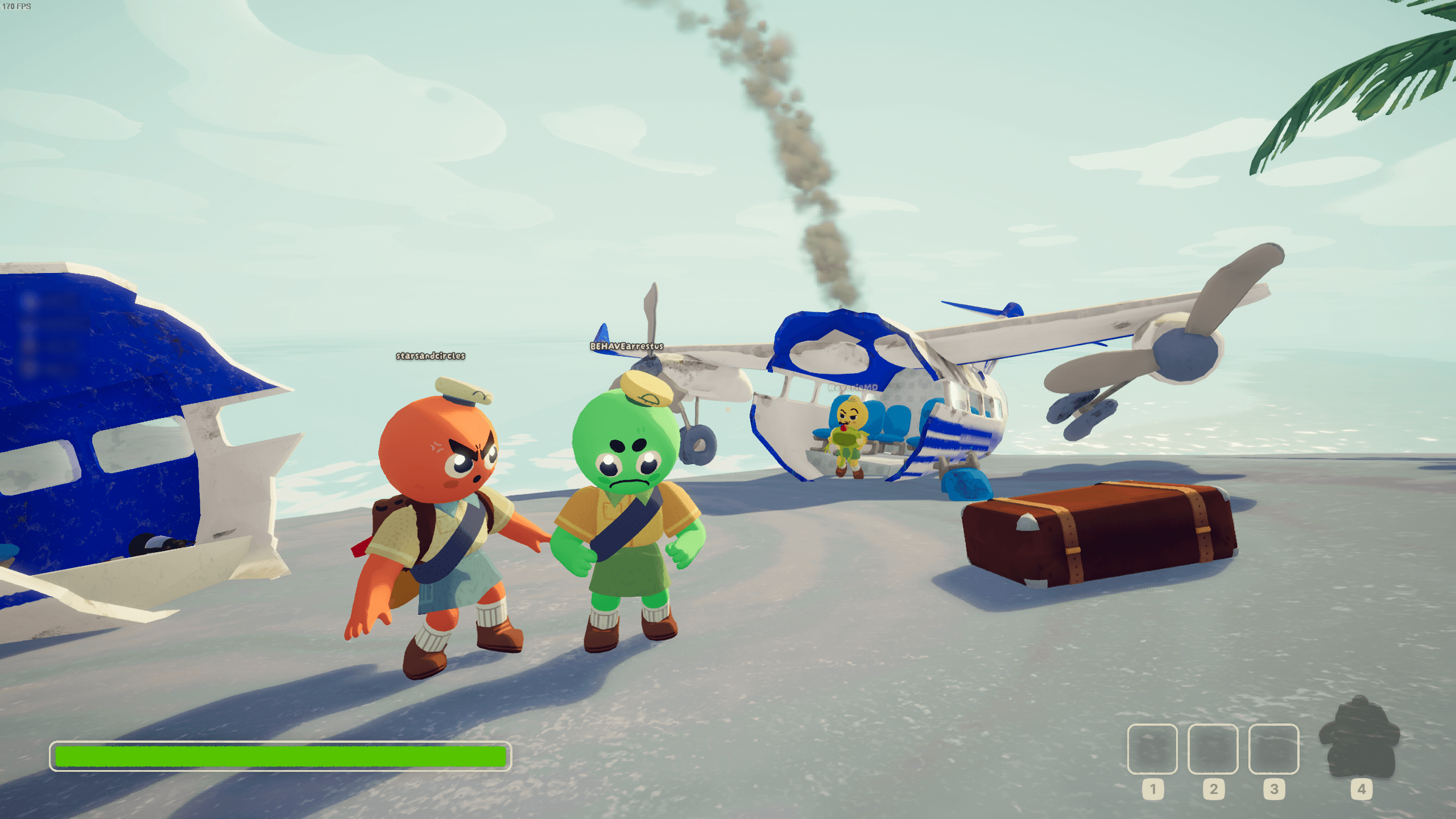
Peak is a cooperative game where you and your friends have to navigate some fairly harsh terrain, including climbing up mountains via some pretty sketchy cliffs. There’s a bit of that wonky physics stuff going on here too, but all and all it feels much more like it’s giving you the basic confines you need to work within to create a bit of a challenge rather than purposely trying to sabotage you. I suppose that’s a fine line and not all that objective, but that’s certainly how it feels to me. There are some neat little touches too, like how climbing works, the ability to give your friends a hand to pull them up, and the numerous items you can loot along the way that can sometimes help you achieve your goals.

The game also has an optimistic vibe which starts off feeling like a fun adventure with your friends. It doesn’t really stay that way though – while you’ll quickly get better at the game, naturally, the first several attempts to get to the top of the first mountain can feel tense and a little harrowing, and it only gets worse from there. That is, each run in Peak has you navigate through 5 different biomes, procedurally generated daily. Some of these biomes are harder than others, and many have some neat features unique to their themes, like the prevalence of ice anchors and storms in the snowy area, for instance. It’s worth noting that we played before the most recent two types of biomes were added to the game, so no experience with those. Anyway, this culminates in a final area, The Kiln, which is an almost vertical climb up a massive shaft while lava rises beneath you. Ooof!

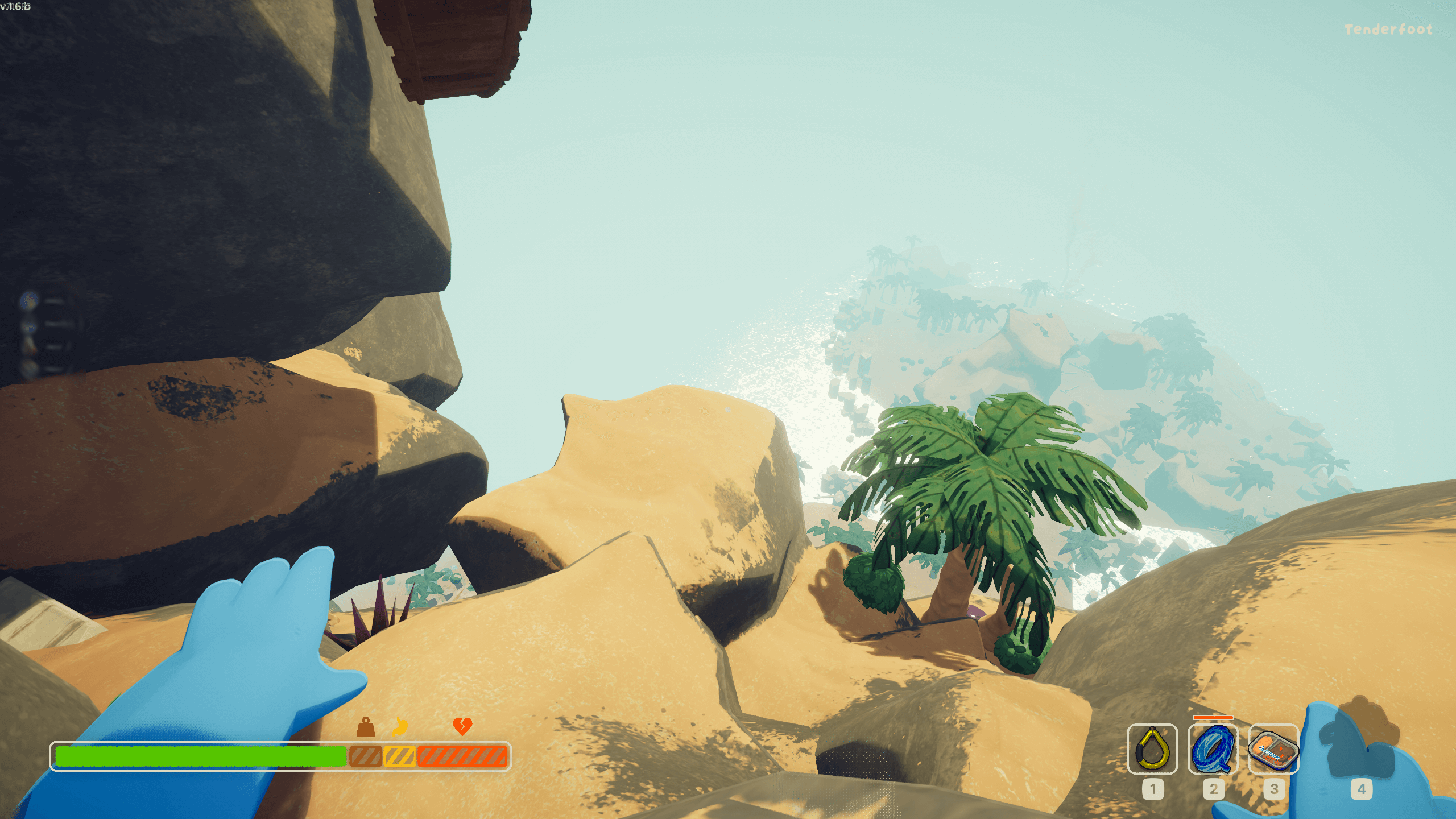
Looking back down onto the beach from the first mountain.
“Looking back down onto the beach from the first mountain.”

Of our sessions, we managed to make it to The Kiln multiple times, but by the time we got there we were in bad shape and had depleted most of our items, and were therefore ill-equipped to make it to the top. Not that we didn’t give it a go regardless. Making it all the way to the end but not beating it multiple times is a bit of a downer, though honestly I think most of our frustration came from other areas. For one, if your character dies and can’t be revived (which is common, since sometimes you’ll die from a nasty fall and your teammates won’t be able to backtrack to where you fell) you can’t be resurrected until reaching the campfire at the summit of the current biome. This means if you die just after getting there, you might be effectively out of the game for a very long time.

There’s also something of a time limit in the form of a rising fog which, not unlike the closing circle in a Battle Royale game, forces you to keep moving and keep somewhat of a decent pace.The fog is rarely a problem in and of itself, though if you all manage to die, be it to the fog or a series of misadventures, you all have to start all over again. I was personally pretty surprised that the first time this happened we didn’t restart back at the last campfire. Having the campfires be checkpoints seems like an absolute no-brainer to me, but I suppose that is counter to the rogue-like “run” design the developers had in mind with Peak. Fair enough, I guess, and it does seem like they’ve added a partial solution to this (the “Checkpoint Flag” item) in their latest content push, so perhaps that will help (although given the random nature of finding items in this game and the fact that its a per player, single use item, I’m skeptical!)

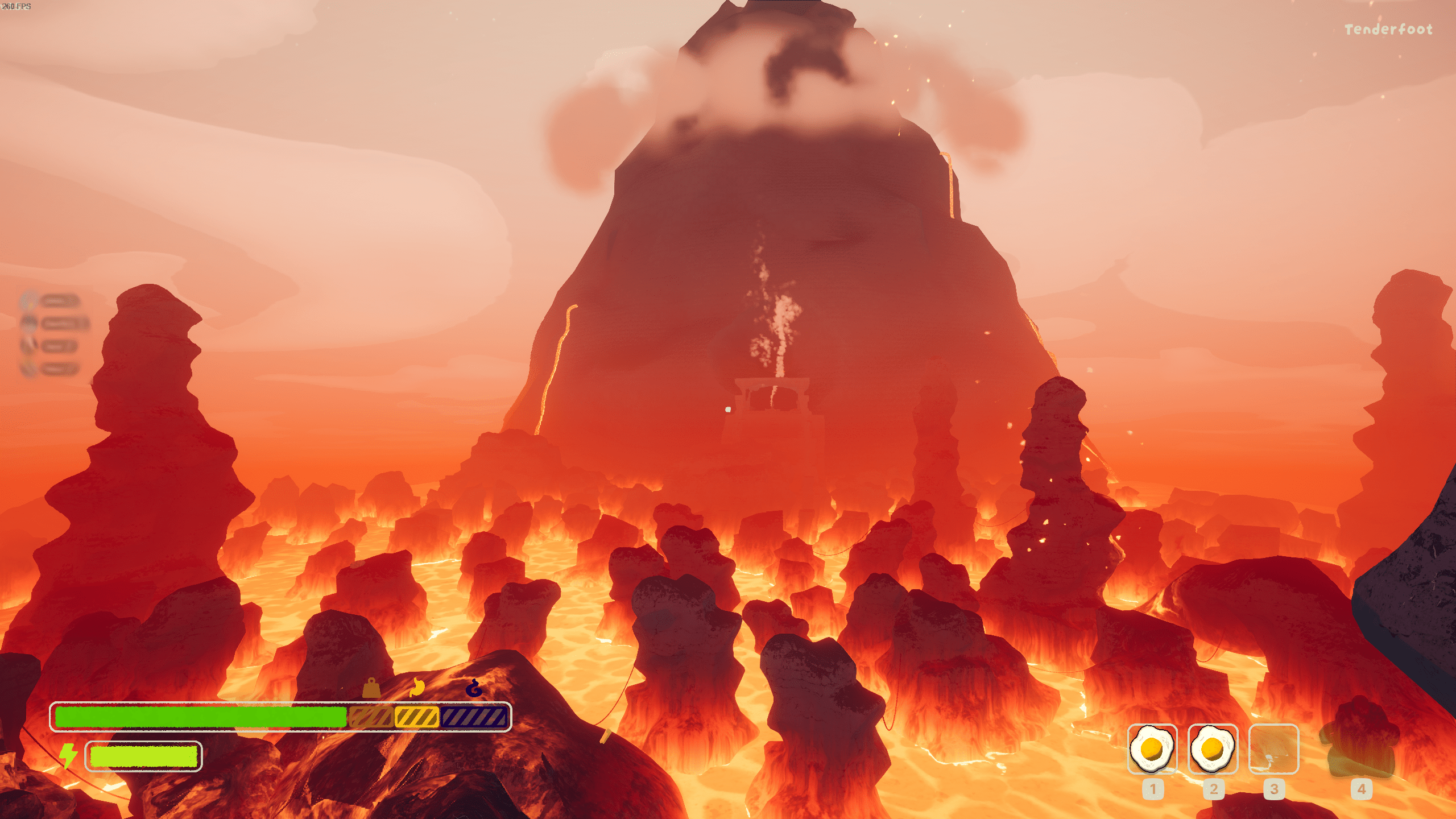
Okay, now shit is getting real!
“Okay, now shit is getting real!”

After my 8 or so hours with Peak, I think my biggest frustration with the game is how close it is to being really, really great. I fully expected the devs to iterate on the design and quickly release more and more content, but it’s been a little slow and underwhelming. These types of games (recently I’ve been hearing them called “Friend Slop” which is both very descriptive and a little unfortunate) tend to be a little short-lived in terms of player interest, with a new one, RV There Yet?, currently getting a lot of attention. Still, I think Peak is a fun game and recommended for people looking for a quick, pick-up-and-play cooperative experience, and I doubt that’ll change even after everyone has moved on from it.

One game I almost forgot we even played was Escape First Alchemist. This was a pretty simple escape room style cooperative game, though unlike the last game of this type I played, We Were Here, EFA feels much more like a true escape room experience – you and up to 3 others are tossed into an area with no prescribed roles, you just have to work together to solve puzzles to progress.

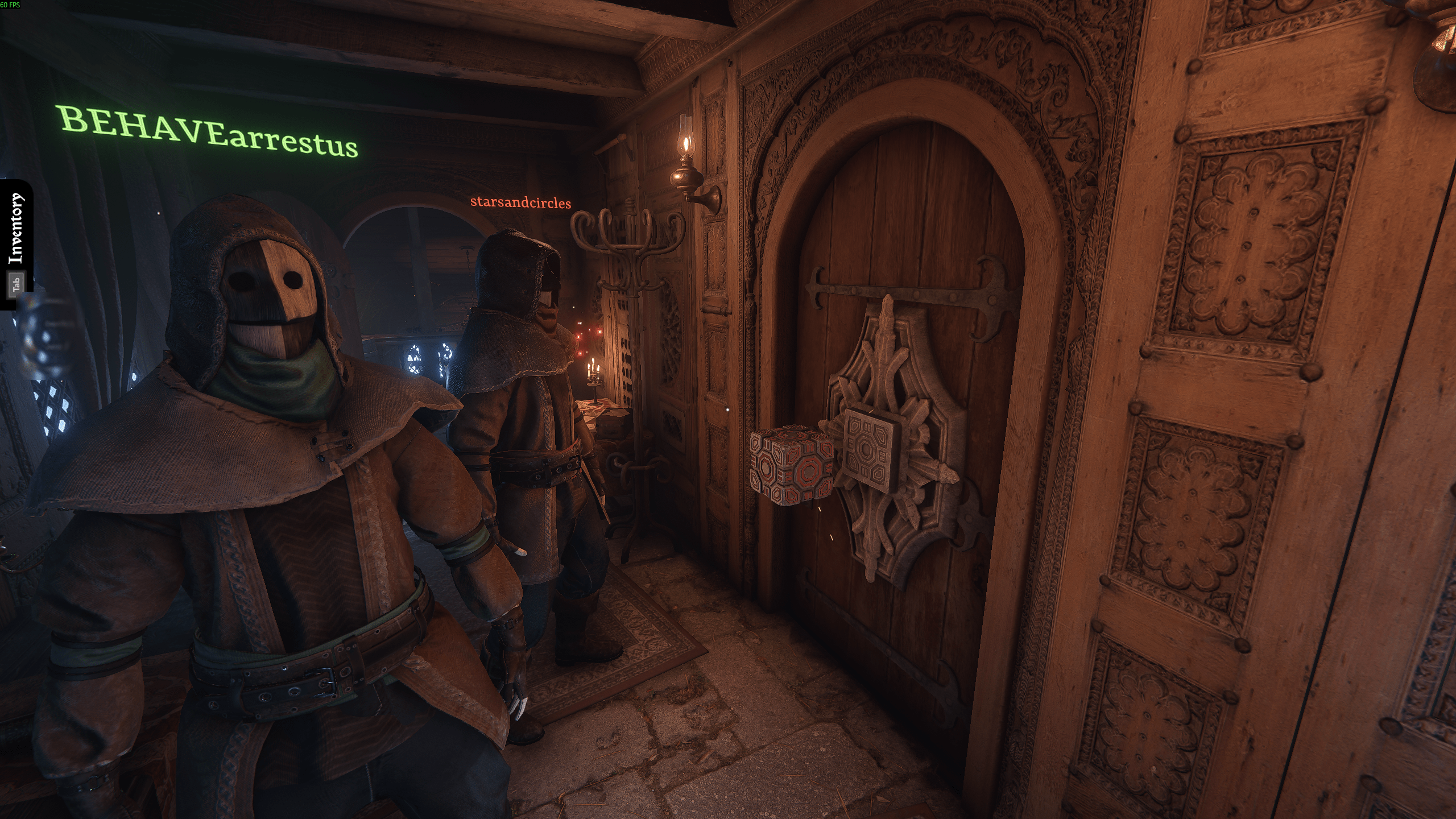
Unraveling the mysteries of... a door.
“Unraveling the mysteries of… a door.”

The setup is that you’re an alchemist’s apprentice, and you’ve got to try to free the master alchemist, Trismegistus, from whatever kind of magical pocket dimension he’s got himself trapped in. The puzzles are themed around this – brewing potions to affect yourself with whatever strange abilities they grant, fiddling with arcane machines, accessing secret passages with interesting mechanisms, that kind of thing. Honestly, while the game no doubt has some very cool moments and interesting ideas, as a whole I didn’t find many of the puzzles or the gameplay overall to be all that compelling. I was especially let down by the ending, which didn’t feel anywhere nearly as climactic as I want from a game like this. Honestly, ending with some vague text is kind of a letdown when the rest of the presentation was so nice.

Still, EFA only takes 2 or 3 hours or so to play through, and as a co-op experience, it’s fun enough. It has some really nice visuals and an excellent presentation overall, which really helps sell the experience, although the magic book that acts as your narrator apparently annoys a lot of people. I think in our case we were too busy talking amongst ourselves to focus too much on it, really. Personally, if Escape First Alchemist sounds appealing to you, I’d probably hold off until it’s on sale.

Well, it definitely looks like a narrative adventure game!
“Well, it definitely looks like a narrative adventure game!”

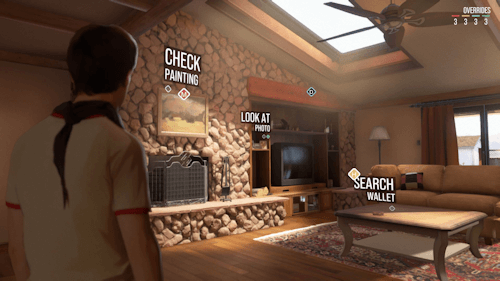
Radically changing directions, it’s been a while since my partner and I played through a narrative game together, but the mood struck us and we ended up diving into As Dusk Falls. Really, As Dusk Falls has been on my radar since before it was released back in 2022, but despite constantly hearing people sing its praises, I was skeptical of what little I knew of its story, and I actually found its unique art style, which reminds me of a low-rent version of A-ha’s Take On Me music video with its stylized makeovers of static images of real actors choppily stitched together, kind of off-putting. I’m not sure what intrigued her about the game, I’m guessing she heard some buzz about it from somewhere, but when she suggested it, I figured why not finally check this thing out.

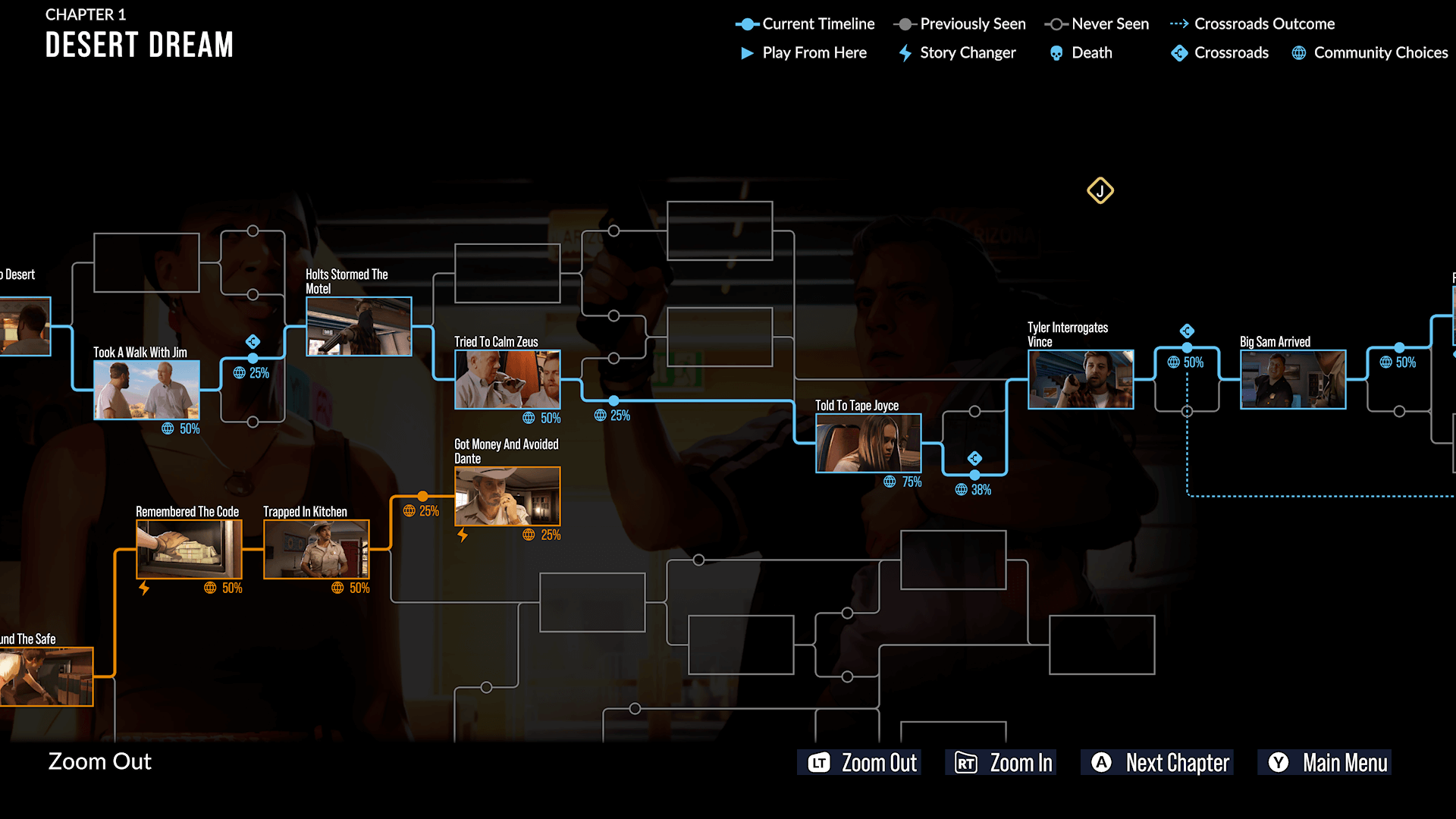
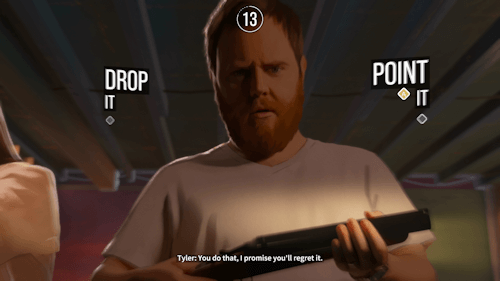
For those unaware, As Dusk Falls falls is a narrative adventure game where you make conversation choices and other decisions, occasionally spiced up with some action scenes in the way of relatively simple QTEs. The game is split up into numerous chapters over 6 episodes, although for some reason the episodes were released all at once rather than the usual strategy of having weeks or even months between releases. In terms of how this is all implemented, I think it falls closer to the confusingly similarly titled Until Dawn or one of SuperMassive’s other horror adventure games (although I believe Quantic Dream’s DNA is what is actually at play here, though I’ve yet to play any of their games so I can’t quite compare them) which is to say that your choices matter a lot more than, say, a Telltale game, in terms of impactful results, with numerous endings (or at least, variations of endings.) The game wants you to be aware of this too, as at the end of each chapter you’re shown a tree of every impactful decision and how they all branch out, which is always really fascinating to look through.


“These end of chapter decision trees are too cool!”

We played ADF via the game’s couch co-op mode, which assigns some decisions and actions to random player, and others more democratically (which may sound weird, but it also supports up to 8 people online, so a majority wins scenario makes a lot more sense there.) Interestingly enough, something I hadn’t seen, or at least not so prominently in other similar games, is that you can tune a lot of the game’s difficulty modifiers, like making it impossible to run out of time when making a decision, or making the timing on QTEs ridiculously easy. At first we had tuned a lot of this stuff to make it all really easy (I mean, who wants to fight against ridiculous QTEs?) but we actually ended up turning it all back up, as these kinds of games are a little broken if you make them too easy. I mean, if you never fail a QTE, you never get to see the resulting branches, and I’d imagine some of these scenes are tuned to be harder than others to push players towards a more likely path. It just made things feel a bit more linear than they were intended to be, and where’s the fun in that?

The story of As Dusk Falls revolves around a couple of brothers who get into some trouble with a corrupt sheriff, which quickly escalates into a hostage situation involving a whole heap of other characters. You mostly play as either one of these brothers, Jay, or as one of the hostages, Vince. Set against the backdrop of a small town in Arizona, the whole “bored teenagers stuck in a seemingly dead end rural wasteland” vibe stuck with me probably more than anything else about the game. I actually find something about that vibe, especially when it comes with crime stories and the desert, a little unappealing, but hey, I love Breaking Bad and No Country for Old Men, so maybe there’s also something in that inner conflict that works for me? That said, it’s hard to feel much sympathy for the Holts, even if Jay was somewhat more relatable and redeemable, and like a lot of good crime stories, there are some pretty harsh outcomes that some might find a little distasteful.

Most of your decisions will be fairly black and white, and very impactful.
“Most of your decisions will be fairly black and white, and very impactful.”

As I suspected, despite kind of disliking the art style, I got used to it pretty quickly, and while I’d occasionally see some animation or other element that was laughable, it mostly ceased to become an issue, and I might have even warmed up to it a little by the end of six episodes. I still don’t really know if this was a budget concession, strictly an artistic choice, or somewhere in between, but alas, if it was done to cut costs, I suppose I’m good with it if it allows more games like this to be released in the future.

In the end, I do think As Dusk Falls is a really good adventure game, but just how much you’re going to enjoy it is going to come down to whether its story, setting, and unique art style work for you. I still have some mixed feelings about it, myself, but I can’t deny that it deserves its place amongst the more notable of these types of games, and I’m quite surprised that INTERIOR/NIGHT still hasn’t followed it up yet, although they did just get the PlayStation port of it out last year, so perhaps they’re just not far enough along yet to make any announcements.

A couple of these As Dusk Falls screenshots were swiped from elsewhere due to us neglecting to take any screenshots while playing, with the exception of that end of chapter 1 decision tree.

Metal Gear Mania 2025 – Metal Gear 2: Solid Snake

Like most in the West, I didn’t know Metal Gear 2: Solid Snake even existed for the longest time. Instead, we had the NES exclusive Snake’s Revenge. It comes up in just about every piece about the game these days, but there’s a fun anecdote about how Snake’s Revenge actually led directly to the development of Metal Gear 2. In brief, Kojima was not involved with or apparently even aware of the development of Snake’s Revenge until he had a chance run-in with a former teammate who mentioned being assigned to the team working on it. Learning of its existence inspired Kojima to immediately start thinking about how he’d design a true Metal Gear sequel. This quickly escalated, with Kojima seeking and being given the greenlight from Konami to actually make it. While amusing, if even a little true, it’s quite revealing about the development of both titles.

Metal Gear 2 - bigger and badder.
“Metal Gear 2 – bigger and badder.”

And that’s about it for me talking about Snake’s Revenge. Beyond Kojima not being involved in its development and it being in no way canon, Snake’s Revenge being the potential second game in what would become a long running series brings its entire status as a Metal Gear game into question. That is, regardless of whatever merits it might have had, it’s clearly not the direction that Kojima would have taken the series, making it a bit more of an evolutionary dead end than even later non-canon entries in the series would be, in my opinion. While I admit that I’m a little curious about the game, I have to trim the fat somewhere. Apologies, Snake’s Revenge fans!

As for the actual Metal Gear 2, after its Japanese release in 1990 it stayed an MSX exclusive without even so much of an official English translation. Like the MSX version of the first game, a port of Metal Gear 2: Solid Snake eventually made it to the West in 2006 as bonus content for Metal Gear Solid 3: Subsistence. This was later included with the HD Collection and that version is included with the recently released Metal Gear Solid: Master Collection Vol. 1, which is how I played it. Like the first game, this is actually a port of an older mobile port, but looking at a list of the differences between this and the original version, I mostly see improvements, so here’s hoping this is a decent enough representation of the original game to base my impressions off of.

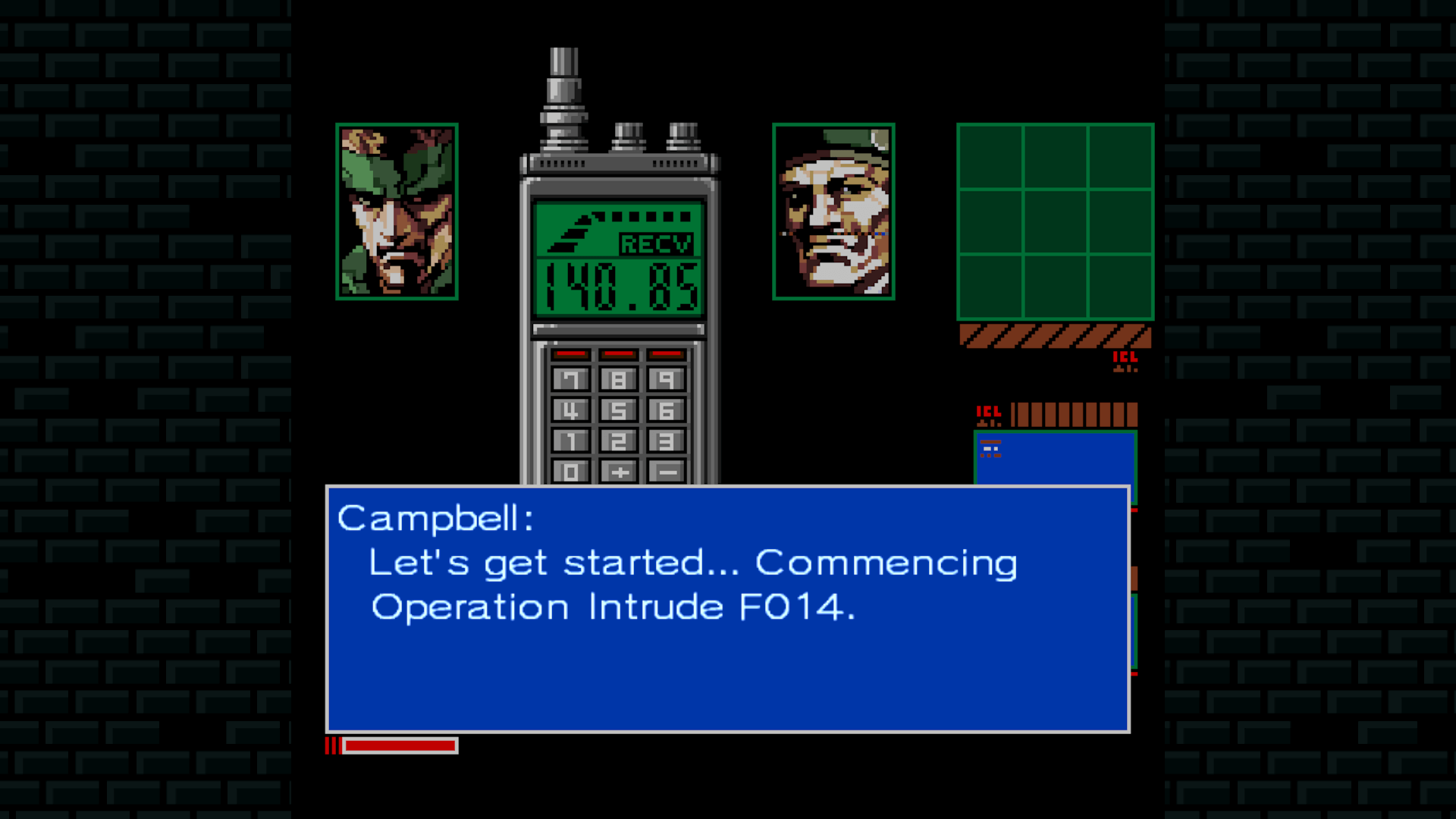
The new radio interface, the new boss, and the new assignment.
“The new radio interface, the new boss, and the new assignment.”

Loading it up, MG2 immediately feels like a substantial upgrade from Metal Gear. The game opens with a lengthy intro sequence showing some really nice, colorful artwork and setting up the plot of the game, all while a banging chiptune track that is far more intricate and varied than anything in the first game blasts away. This continues as you enter the game, with better sprites, animations, sound effects, and a continuation of the excellent soundtrack. You’ll also instantly recognize that the UI is more complex, hinting at what is overall a much more complex game with more items, more dialog, a bigger and more varied map, and more interesting puzzles and other gameplay systems. Not unlike something like the leap between Super Mario Bros and Super Mario Bros 3 on the NES, despite both being MSX2 games, MG2 feels like a full generation beyond its predecessor. Kojima and his team were clearly swinging for the fences here.

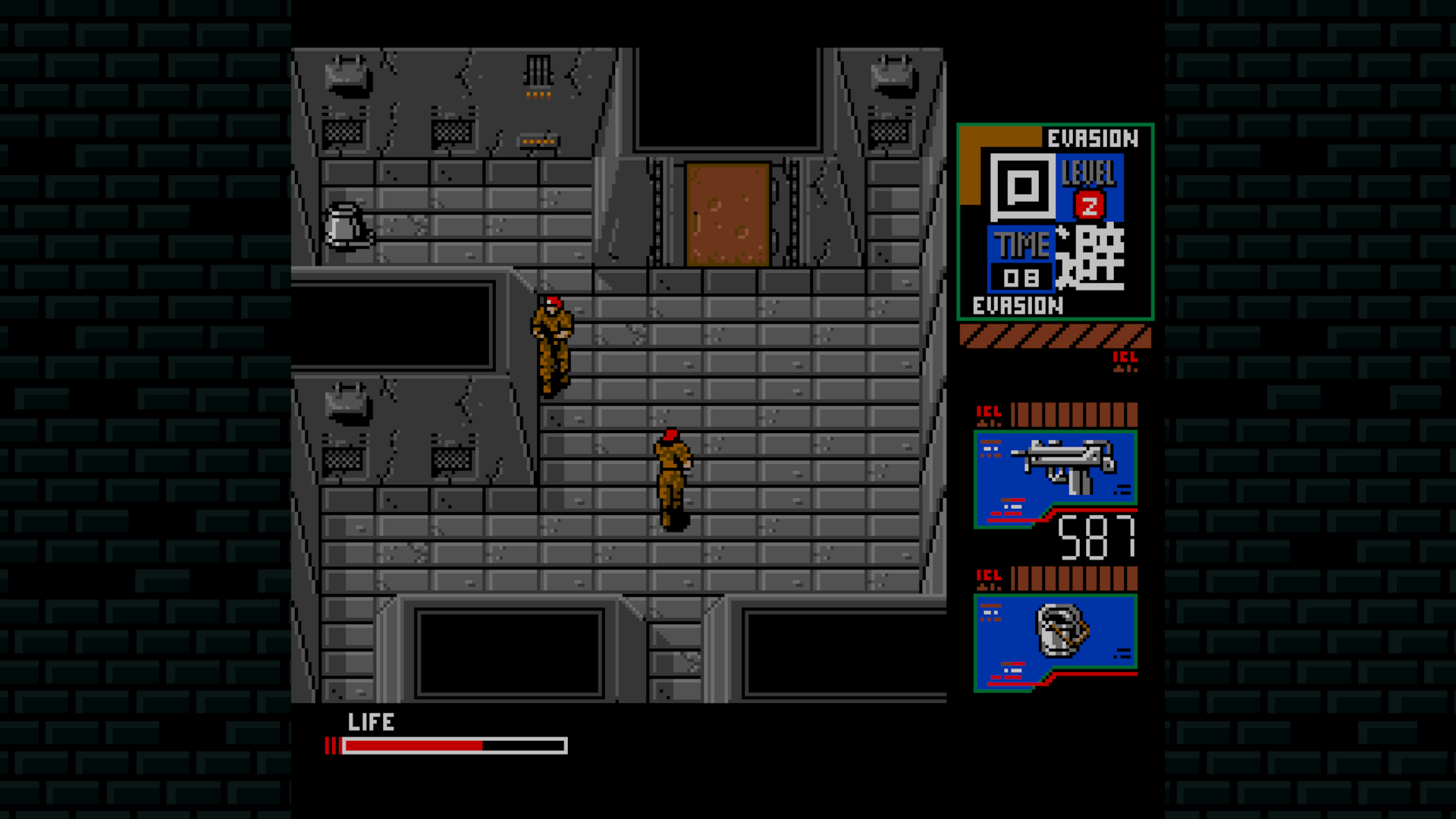
At the top of the expanded features list is stealth. Guards now have a cone of vision and will move their heads to look around when stationary. Their patrol paths also seem to be a little less simple, making avoiding guards a bit trickier than in Metal Gear. The alert and evasion phases are distinct now, too. If you’re spotted, guards will enter alert mode during which they’ll aggressively hunt you, with additional guards popping out of every available door. Seriously, I groaned every time they came out of the back of a cargo truck that was empty just moments ago! When in this mode, it’s almost impossible to hide, rather you need to lose the guards or otherwise get rid of enough of them first. Oh, and alerts are no longer room-based, either, so simply leaving the screen isn’t going to cut it. This new alert mode was probably my biggest source of frustration with MG2. That is, practically every alert, no matter where you are, how many guards are in the room, or the manner in which you were spotted, results in the same ridiculous swarm of guards, and by the end of the game, this was damn tedious to deal with. When you finally do, you’ll enter evasion mode in which guards will carefully search for a bit. A handy display in the UI shows the phase and a countdown timer, with a design seemingly swiped from one of my favorite animes, Gunbuster, incidentally. Assuming you can stay hidden and outlast the timer, they’ll give up and you’ll be back in the default infiltration mode.

Step aside cardboard box, the bucket is peak stealth action gameplay!
“Step aside cardboard box, the bucket is peak stealth action gameplay!”

There’s also a mode similar to evasion mode that is triggered by a guard hearing a suspicious sound, during which they’ll go to its source to try to figure out what made it. Yes, that means there is a more developed sound component to stealth now, with certain types of ground surfaces making noise when you walk on them. You can also purposely make noise by, for instance, punching a wall, which lets you manipulate the guard positions to more easily sneak by them or take them out. To avoid making noise on accident, there’s a new crouching and crawling mechanic. This is an extremely important addition to Snake’s repertoire, and utilized everywhere, with just about every room having multiple places you can crouch behind or crawl into or under to conceal yourself. You also have some familiar tools returning from Metal Gear like the suppressor and your old friend the cardboard box. The box is now slightly riskier though, as guards will pop a few shots off at it if they walk up on it. Then there is perhaps my favorite new item, the bucket, which works the same as the cardboard box but it’s bulletproof, though it does come with the tradeoff of making noise if you walk while wearing it. Given how utterly silly the animation of Snake walking around almost entirely covered by a giant metal bucket is, I’d say it’s worth it though. Finally, there’s the camouflage mat, which lets you deploy a piece of hidden cover to hide under just about anywhere you want.

Last but not least, I can’t talk about all of that without bringing up what is perhaps the biggest addition to both the overall stealth system and the UI, the mini-map. This is the obvious predecessor to the “Soliton Radar” that appears in a lot of the later entries in the series, showing a top down view of the screen Snake is on as well as the 8 screens around him, complete with enemy and other character positions and live moment updates. Incredibly useful when planning your routes, I got used to using it almost immediately, as if I’d also had it throughout my run of the first game too. The only real downside to having such a powerful new item in your toolkit is that you don’t have it all the time – it gets jammed during alert modes, with the neat little alert phase display temporarily replacing it. Honestly, I was usually too busy frantically murdering tons of guards during alerts to worry about it that, though.

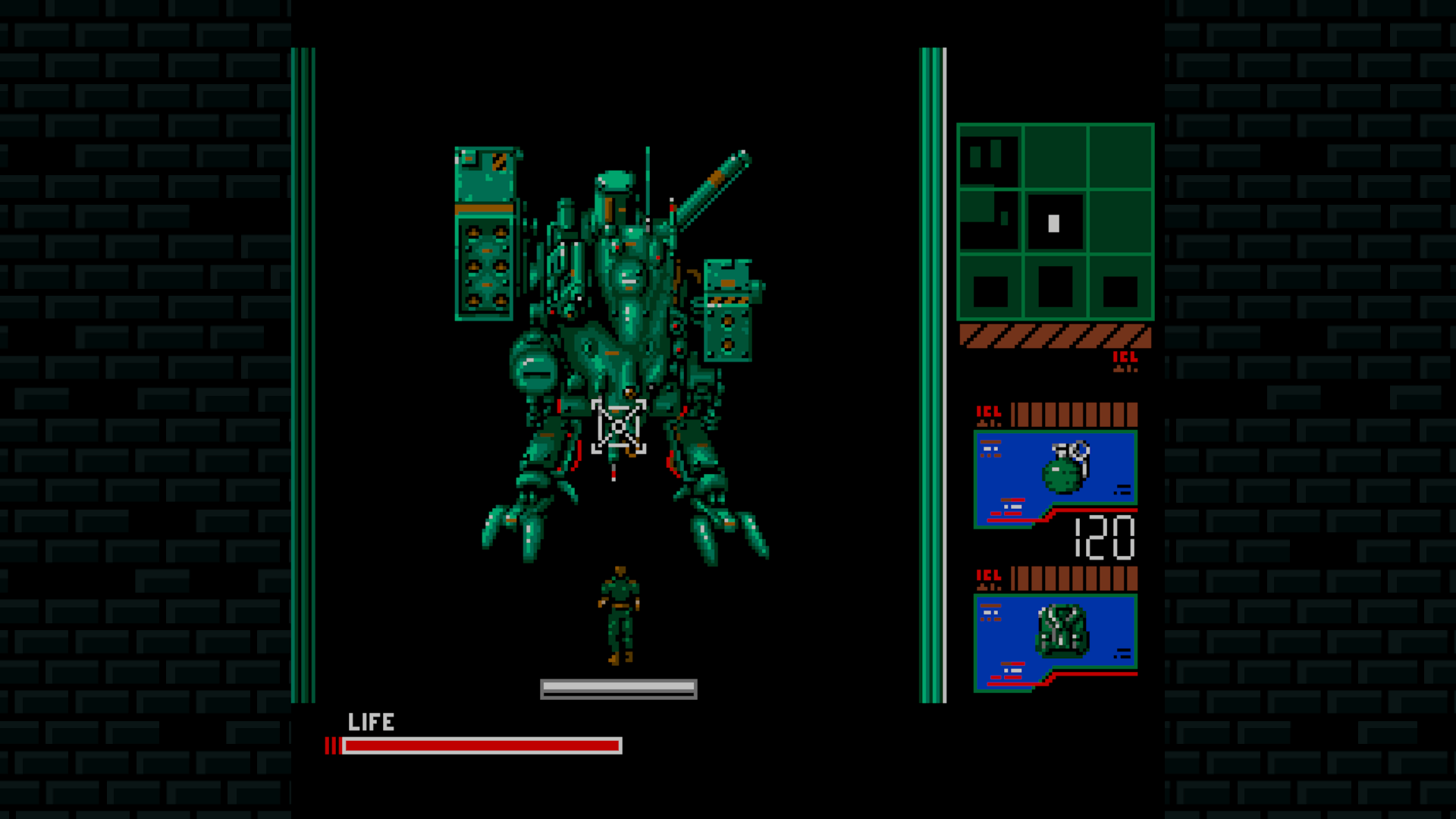
The Metal Gear D is, appropriately, highly vulnerable to a grenade to the dick.
“The Metal Gear D is, appropriately, highly vulnerable to a grenade to the dick.”

MG2 retains the Zelda like item gating gameplay of the first game, but with more items and more complexity all around, I personally got a lot less of that Metroidvania vibe this time around. It just feels a bit less intentionally designed, and I think the game suffers just a little as a result, despite just about every individual element being improved. For instance, while keycards are still an annoyance, you can now trade them up for combined versions, reducing the 9 you have by the end of the game to 3, and they also feel a bit less randomly assigned to doors to boot. Fast travel has undergone some improvements, whether you’re hiding in a box and hitching a ride on a conveyor belt, into a cargo truck, or floating through the sewers, it all works so much better. It also seems that using weapons as a gate around boss fights is mostly eliminated. There are some bosses that are easier with certain weapons, sure, but aside from the Hind D fight (yes, another one) I’m struggling to think of another example. Speaking of weapons, I found myself using melee a lot less this time, as I really didn’t want to risk triggering the aforementioned annoying guard swarms. In fact, by the end of the game I was taking full advantage of the slow projectiles (also making a return from the first game) to “pre-fire” shots at guards before they’d round corners or otherwise enter my field of view. Cheesy but kind of satisfying.

Another massive upgrade comes with the radio, which much more closely resembles the codec calls found in later Metal Gear games. Radio conversations happen more often, between more people, are much lengthier and better written. Hey, they’re also two-way now, so Snake finally has a little bit of a personality! People also actually answer their damn calls now too, making the radio much more useful in general. While there are a few little non-radio conversations, and you occasionally run into war orphans wandering around Zanzibar Land who impart similar one-liners, there are no more POWs to give you clues, so the majority of your hints and other guidance will come from these calls. I do wish more of those conversations were more useful, though. Master Miller almost exclusively says generic stuff and I swear I missed Kasler’s initial call or something, as I didn’t know his frequency until later in the game. The radio has one more function exclusive to the modern port – they replaced the original character portraits (hilariously swiped from stills of famous actors) with more stylized artwork by Ikuya Nakamura . While the intent was more likely to avoid legal trouble, the effect is that the game now looks more like a cohesive part of the greater series beyond.

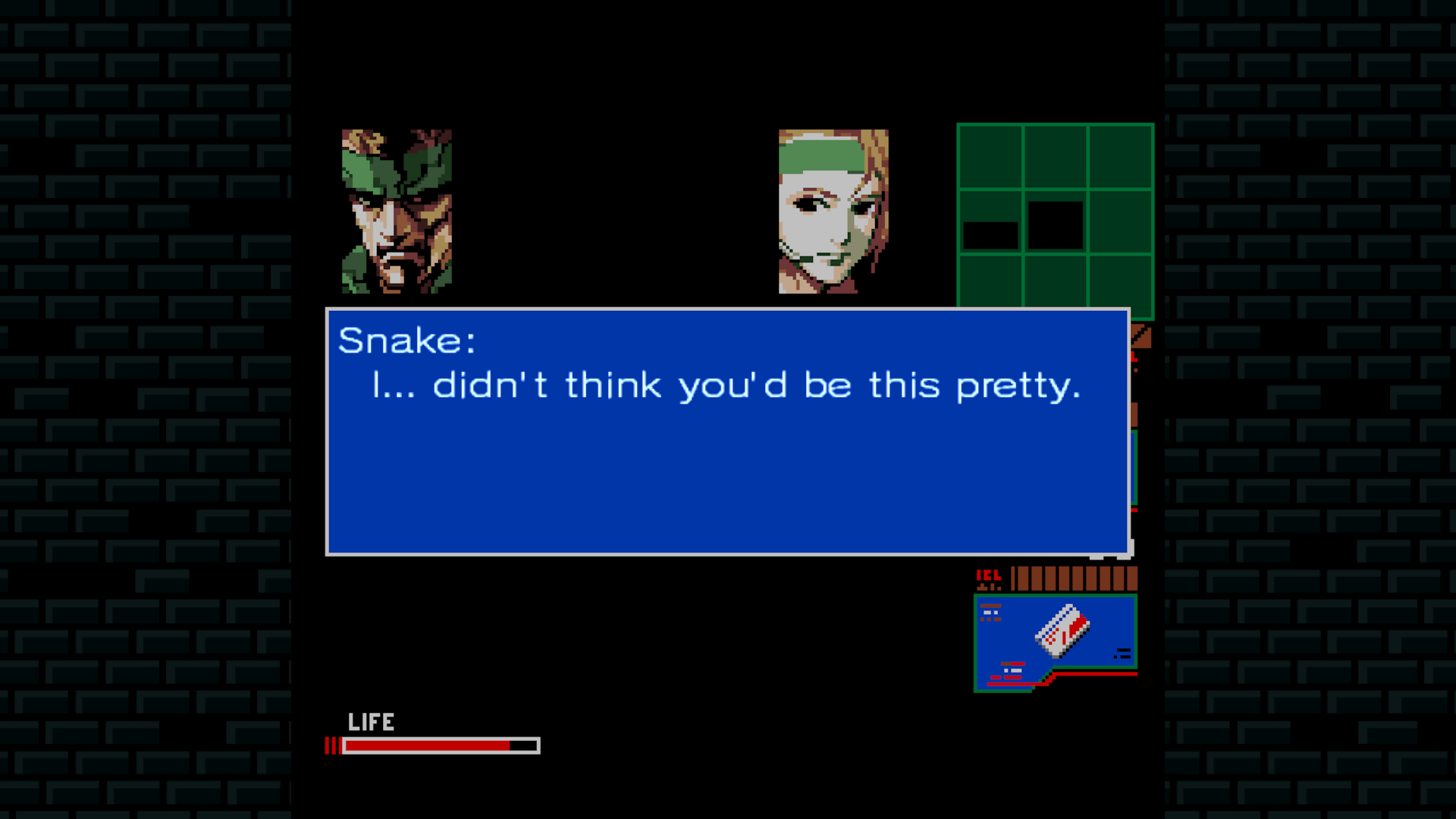
Snake, if you need a cold shower, you already know where the women's restroom is.
“Snake, if you need a cold shower, you already know where the women’s restroom is.”

This feels like a good time to talk about the story. Expand the box below for a spoilerific though fairly terse synopsis of the game’s plot.

Story Synopsis - Spoilers!1999. On the verge of a global energy crisis, biologist Dr. Kio Marv develops OILIX, a new way to synthesize high-grade petroleum. Soon after his discovery is publicized, Dr. Marv is kidnapped by agents of Zanzibar Land, a small nation that has recently gained attention on the international stage due to aggressively seizing nuclear weapons from neighboring countries, attempting to gain unmatched power as the rest of the world dismantles its nuclear programs to enter a new era of peace. Colonel Roy Campbell, FOXHOUND’s new commander, brings Solid Snake out of retirement for Operation Intrude F014, a daring covert operation to infiltrate Zanzibar Land and rescue Dr. Marv, and with him the secret of OILIX. Once on the ground, Solid Snake gains the assistance of Holly White, a CIA agent posing as a journalist. During the course of the mission, Snake rescues Dr. Madnar, the scientist behind Outer Heaven’s robotics programs. Dr. Madnar had been forced to resume his work and is well underway with mass producing a new model of the Metal Gear walking tank for Zanzibar Land. Snake also learns that his former commanding officer turned mercenary leader of Outer Heaven, Big Boss, is leading Zanzibar Land. While Snake continues his search for Dr. Marv, the group encounters ex-FOXHOUND agent Gray Fox, now loyal to Big Boss, who recaptures Dr. Madnar and blocks Snake’s pursuit. Eventually reaching the base’s main prison complex a different way, Snake locates Dr. Marv’s cell but finds him deceased, having succumbed to torture. Holly radios Snake to let him know that not all is as it seems with Dr. Madnar, who is also being held here, and that he actually returned to Big Boss’s side voluntarily. As Snake turns to confront Dr. Madnar, Dr. Madnar attacks him from behind, forcing Snake to incapacitate him. Assembling clues that Dr. Marv left, Snake recovers the OILIX data from a clever hiding spot and begins his exfiltration. Snake once again encounters Gray Fox, and after an explosive showdown, disables Gray Fox’s Metal Gear D, leaving the two to have a final hand-to-hand fight to the death. Having just defeated his former comrade, Snake is taunted by Big Boss, who he quickly tracks down. Big Boss tries to convince Solid Snake to join his cause, explaining his goals for Outer Heaven and Zanzibar Land – to give soldiers like him a means to survive on their own terms rather than be used as pawns by uncaring governments. Snake refuses the offer, and Big Boss attacks him. Unarmed, Snake moves from hiding place to hiding place, but is able to cobble together an improvised weapon, eventually catching Big Boss by surprise. With Big Boss dead and the OILIX data in hand, Snake rendezvous with Holly and the two are airlifted out of Zanzibar Land.


Certainly, themes of nuclear disarmament and a crisis around fossil fuel shortages were reasonable to speculate on in the late 1980s, and the game as a whole feels a bit more “near-future” than the first did. Beyond that, it’s hard not to feel like MG2 is something of a remake of the first game. Sure, some of the story details are different, but the structure is very, very similar, and a lot of specific gameplay elements return as well. There are also returning characters, starting off with the seemingly random addition of Outer Heaven resistance leader Schneider, who I’d assumed was dead. It all feels like a bit of a soap opera, but I know that’s just the tip of the iceberg for this series. Despite how Zanzibar Land might just be Outer Heaven v2.0, I did appreciate that MG2’s vastly expanded script gave our main antagonist a chance to actually explain his motives a little bit more. It frames the whole “mercenary state” thing much more clearly. On the other hand, Snake’s attempts to hit on women, particularly Holly, felt awkwardly out of place to the point where I actually found myself laughing at them. Really, while there are still some silly bosses with silly names, other than some fun references to video games and the MSX in particular, there are no fourth wall breaks and most attempts at humor are somewhat subdued to the point where it wasn’t always obvious if the writing was intentionally quirky, or genuinely kind of weird. I mean, you can’t tell me Running Man doing a mad sprint around a building to prove how amazingly fast he is, only to come back panting after a single lap isn’t damn funny. 😂

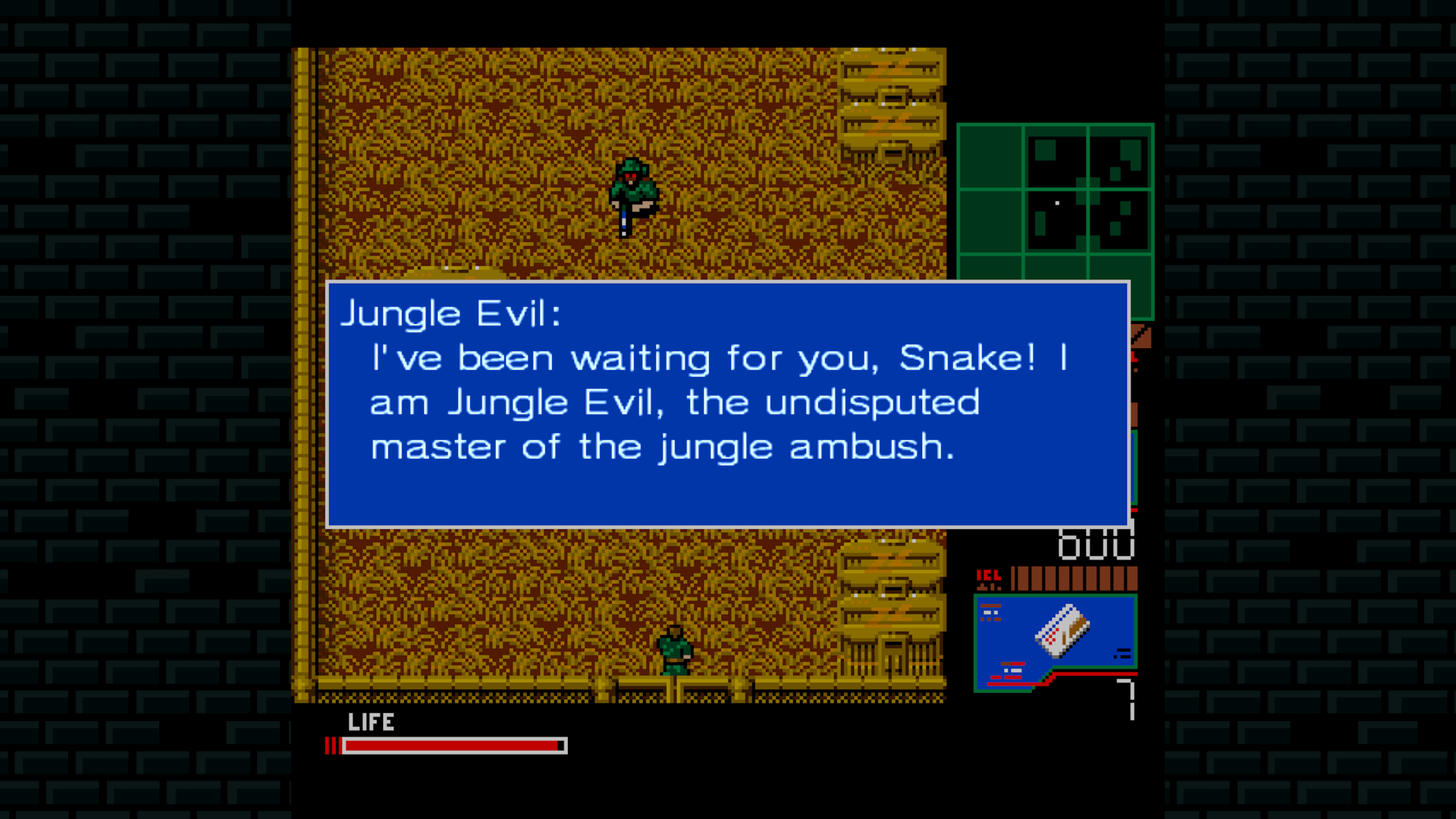
Honestly, I *do* dispute his ability to ambush given that he announced his presence.
“Honestly, I *do* dispute his ability to ambush given that he announced his presence.”

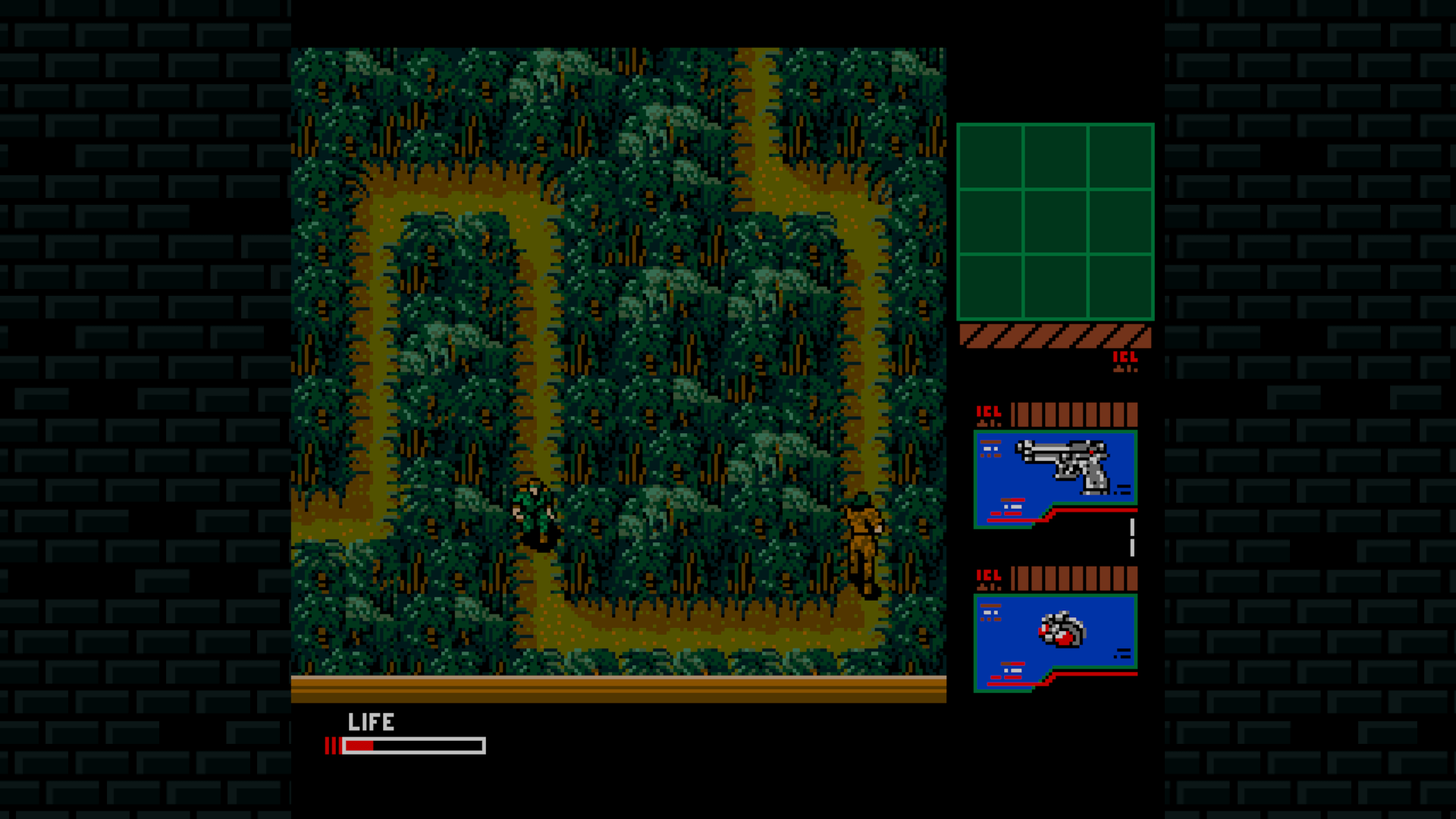
With boss fights being less about gating progress around certain weapons, they now have more traditional boss fight mechanics. Nothing all that tricky, but more varied and funner than what we got in Metal Gear, certainly. Besides my aforementioned burnout with alerts, I think the most difficult aspect of the game is its structure. As mentioned, that satisfying Metroidvania-like formula is just a little off. Hints given via the radio or by the occasional war orphan are usually less direct than those in Metal Gear, which isn’t necessarily a bad thing, but it does make the game feel less linear and more prone to trial and error and arduous backtracking. There is also a lot more light puzzle solving this time around, and some of the puzzles get pretty wacky. How about finding and hatching an egg that turns into an owl, which you’ll need to equip so it hoots, fooling a guard into thinking it’s night time, and for some reason they turn off a perimeter security in this particular area at night? Nope, none of that makes any goddamn sense, does it? There are also rather wickedly designed areas, like the infamous jungle which requires tailing a guard who is constantly checking behind him, and if you lose him for even a second the jungle turns impassable and you’ll need to go back to the beginning and try all over again. The swamp is perhaps an even worse offender, as it’ll outright kill you if you stray too far off the hidden path for more than a few seconds, and the path is long and windy, but of course!

If you do die, save game checkpoints are aligned to specific areas, but it’s perhaps even less clear where those checkpoints actually are. In Metal Gear they were usually the last elevator you entered, but in MG2 they seem to be tied to loading screens… except for when they aren’t. Honestly, after I got further into the game I just avoided the issue altogether by abusing my Xbox’s Quick Resume feature and trying my damnedest not to die. Sometimes easier said than done, as you can no longer stock up on endless rations and ammo by leaving and reentering rooms like you did in Metal Gear, and if you trigger alerts way too often like I did, you’ll end up needing those rations. I played on “easy” difficulty again and discovered one big advantage of it – if you die too many times in a row, you’ll respawn with full ammo and rations on your next continue. I got into at least one situation near the beginning of the game when I was still figuring things out where this really helped me. Overall, it’s not a hard game, but it has potential to be longer and more taxing than Metal Gear was. Unless you get a particular amount of joy from playing this old school, draw your own maps and trial and error your way through puzzles style of game design, I’d recommend you at least use some notated maps, as with the first game. Unlike the first game, however, I might also throw in a walkthrough too. I used a spoiler free walkthrough as a reference here and there, but I absolutely abused the hell out of the maps themselves. While I know I would have gotten more satisfaction from figuring everything out myself, I’m sure it would have also taken twice as long and been a lot more frustrating along the way.

Fuck this fucking jungle section!
“Fuck this fucking jungle section!”

I think the biggest advantage of the more complex and varied gameplay of MG2 is the possibility for the kind of emergent moments you’d expect out of a more open game. As an example, there was one section of the map that I kept going back to where there was no way to get past a guard without getting spotted. After just dealing with triggering an alert several times, I figured out that I could knock on the outside of a wall he was near and he’d walk over to it. He could still just barely see me if I tried to creep by him, but I could then blast the Zanzibar Land national anthem cassette tape to make him spring to attention, facing straight ahead, letting me get by him unseen. For an example of a funnier emergent moment, I almost fell off of my couch when I accidentally killed a war orphan while attempting to blow up a wall with C4 – I just assumed children would be invulnerable so I wasn’t too concerned when he wandered up, but… hey, 1990 was a more innocent time! 😅

While I had some mixed feelings on Metal Gear 2, all in all, there’s no denying that it is a much more impressive game than its predecessor. It really improves on virtually every aspect of the first game, and while it might have taken me a bit of time to adjust to the added complexity, in the end I had a lot of fun with it. I’ll have to get further into these playthroughs to be able to really judge MG2’s place in the series, but at this early point I’d definitely recommend Metal Gear fans give it a go.

Next, we move on to the game that kicked off a love of the franchise for so many people, Metal Gear Solid